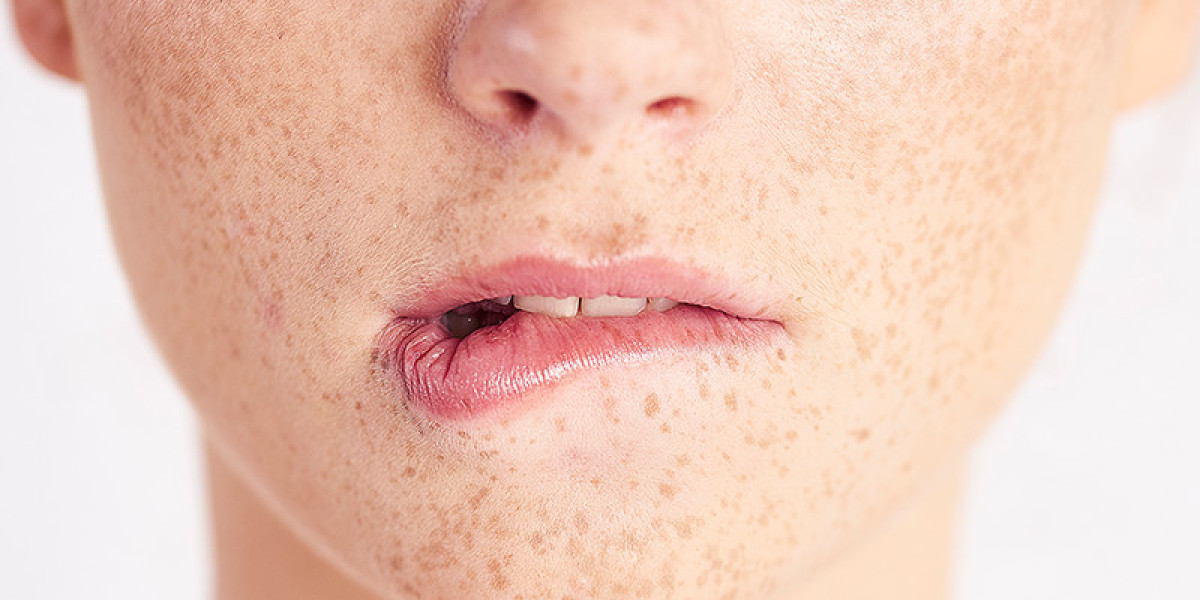

Melasma is a common skin concern that leads to patches of darker pigmentation, often appearing on areas exposed to light. It develops gradually and can make the overall complexion look uneven. The condition is influenced by internal and external factors that affect how pigment is produced in the skin.
Uneven skin tone linked with melasma usually appears as:
- Patchy darker areas on cheeks, forehead, or upper face
- Gradual deepening of pigmentation over time
- Increased contrast between normal and pigmented skin
The skin naturally produces pigment to protect itself, but in melasma, this process becomes irregular. This is why achieving an even tone requires steady and balanced care rather than quick changes.
Role of Melasma Treatment in Skin Tone Balance
Melasma Treatment in Dubaifocuses on supporting the skin’s natural renewal process and reducing excess pigment formation. The aim is not just to lighten dark patches but to create a more uniform appearance overall.
When treatment is followed consistently, the skin begins to show:
- Gradual fading of dark patches
- Smoother and more balanced complexion
- Improved clarity across the face
The process takes time because pigmentation is located in deeper skin layers. A steady approach helps the skin adjust without sudden changes, allowing a more natural improvement in tone.
Consistent Skincare Approach for Even Skin Tone
A structured skincare routine plays a major role in managing melasma and improving overall tone. Consistency is more important than complexity, as the skin responds better to regular care.
Key elements often included in a routine involve:
- Gentle cleansing to remove dirt and buildup without disturbing the skin barrier
- Regular hydration to maintain softness and prevent dryness
- Supportive care that helps maintain an even surface texture
Over time, this consistent approach helps the skin look smoother and reduces the appearance of uneven patches. The goal is to maintain balance rather than overwhelm the skin with too many changes at once.
Sun Exposure Management and Skin Protection
Sunlight is one of the most significant factors that influences melasma and uneven skin tone. Even mild exposure can trigger pigmentation activity, making dark patches more visible.
To support treatment results, the skin benefits from:
- Reducing direct exposure during peak daylight hours
- Using protective clothing such as hats or scarves when outdoors
- Seeking shaded areas whenever possible
These habits help maintain the progress made through treatment and prevent new pigmentation from forming. Consistent protection allows the skin to recover more effectively and maintain a more even tone over time.
Lifestyle Influence on Skin Tone Balance
Daily habits also play a supportive role in how the skin responds to melasma management. While lifestyle alone does not determine outcomes, it can influence how stable and balanced the skin appears.
Helpful lifestyle factors include:
- Maintaining regular sleep patterns to support skin renewal
- Managing stress levels, as stress may affect skin balance
- Staying hydrated to support overall skin function
These simple practices contribute to overall skin health, making it easier for treatment efforts to show visible improvement in tone consistency.
Common Misconceptions About Melasma and Even Skin Tone
There are several misunderstandings about melasma that can affect expectations. One common belief is that uneven skin tone can be corrected quickly. In reality, melasma is a gradual condition that responds slowly to care.
Another misconception is that occasional care is enough. The skin requires ongoing attention to maintain improvement. Interruption in routine often leads to visible changes returning.
It is also often assumed that one approach works for everyone. However, skin responses vary, so improvement depends on consistency and patience rather than a single method.
FAQs
What helps improve uneven skin tone with melasma?
Improvement comes from steady care, consistent routines, and reducing factors that trigger pigmentation. The skin responds best when treated gently and regularly.
How long does it take to see visible changes?
Changes appear gradually because melasma affects deeper layers of the skin. With consistent care, improvements become more noticeable over time.
Can melasma affect different areas of the face differently?
Yes, melasma can appear unevenly depending on sun exposure and skin sensitivity. Some areas may darken more than others.
Why does melasma make skin tone look uneven?
Melasma increases pigment production in certain areas, creating patches that contrast with the surrounding skin. This leads to an uneven overall appearance.
Conclusion
Achieving an even skin tone with Melasma Treatmentis a gradual process that depends on consistency, protection, and balanced skin care habits. The condition develops slowly, so improvements also take time and patience. When the skin is supported with regular care and protected from triggering factors, pigmentation becomes more controlled, and the complexion appears smoother and more uniform. Over time, this steady approach helps the skin look healthier, more balanced, and naturally even in tone.