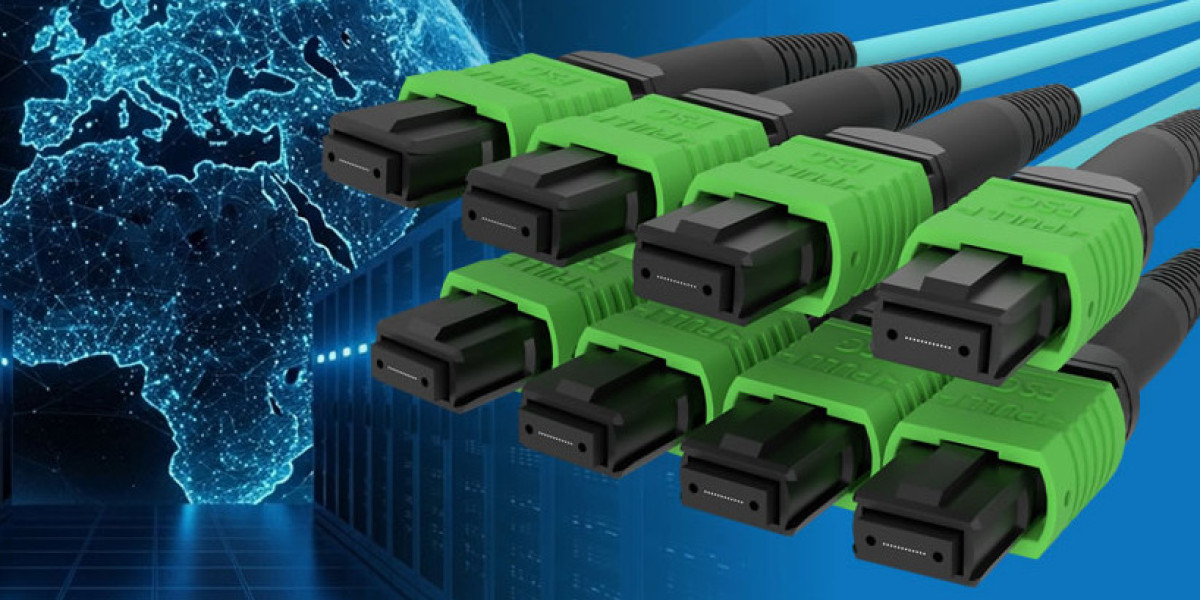

The demand for faster, more reliable, and scalable communication systems continues to grow as industries become increasingly data-driven. Modern businesses require infrastructure that can support massive volumes of information without compromising speed or stability. One of the most efficient innovations addressing this need is high density fiber cable, which enables organizations to maximize bandwidth while minimizing physical space requirements in complex networking environments.
The Evolution of Fiber Network Design
Network infrastructure has evolved significantly over the past decade, shifting from bulky and limited copper-based systems to compact and high-performance fiber-based solutions. This transition has allowed businesses and service providers to handle larger data loads with improved efficiency. Fiber technology supports long-distance transmission with minimal signal loss, making it ideal for both urban data centers and global communication networks. As digital ecosystems expand, the need for optimized cabling systems continues to rise, pushing engineers to develop more compact and efficient designs that support higher connection densities.
Why Density Matters in Modern Networks
In today’s data centers and enterprise environments, space optimization is just as important as speed. High-density configurations allow more connections to be managed within a smaller physical footprint, reducing infrastructure costs and improving operational efficiency. This is especially critical in large-scale facilities where thousands of connections must be managed simultaneously. By maximizing port utilization and reducing cable clutter, organizations can streamline maintenance, improve airflow, and enhance overall system performance. These advantages make dense fiber-based systems essential for modern IT environments.
Performance Advantages of Fiber-Based Systems
Fiber technology delivers exceptional performance compared to traditional networking systems. It offers significantly higher bandwidth capacity, allowing for rapid data transfer across large distances without degradation. Latency is also reduced, which is crucial for applications requiring real-time communication such as cloud computing, financial trading, and video conferencing. Additionally, fiber systems are resistant to electromagnetic interference, ensuring stable and consistent performance even in environments with heavy electrical activity. This reliability makes them a preferred choice for mission-critical operations.
Applications Across Data Centers and Enterprises
High-performance networking solutions are widely used across various industries that depend on fast and secure data transmission. In data centers, they support virtualization, cloud storage, and large-scale computing workloads. Enterprises use these systems to connect multiple offices, enable remote collaboration, and manage internal communication networks efficiently. The telecommunications industry also relies heavily on advanced fiber infrastructure to deliver internet services to millions of users worldwide. As digital transformation accelerates, the role of fiber networks continues to expand across sectors.
Space Optimization and Infrastructure Efficiency
One of the key benefits of advanced fiber systems is their ability to optimize physical space. Traditional cabling methods often require large amounts of room for routing and management, leading to inefficient use of infrastructure. In contrast, modern fiber solutions are designed to support higher connection density within compact environments. This reduces the need for additional hardware and simplifies cable management processes. As a result, organizations can achieve greater efficiency while lowering operational costs and improving system organization.
Security and Reliability in Data Transmission
Security is a major concern in today’s interconnected digital landscape. Fiber-based networks offer enhanced protection compared to older technologies because they are more difficult to tap or intercept without detection. This makes them ideal for industries that handle sensitive information, such as banking, healthcare, and government operations. In addition to security benefits, fiber systems also provide superior reliability. Their resistance to environmental interference ensures consistent performance, reducing the risk of downtime and data loss.
Scalability for Future Network Expansion
As businesses continue to grow, their networking requirements also increase. Scalable infrastructure is essential for accommodating future expansion without requiring complete system overhauls. Fiber-based designs support easy upgrades and expansions, allowing organizations to add new connections as needed. This flexibility ensures long-term cost efficiency and adaptability in rapidly changing technological environments. Scalability is particularly important for cloud service providers and large enterprises that experience fluctuating data demands.
Maintenance and Operational Benefits
Modern fiber systems are designed to simplify maintenance and reduce operational complexity. Improved cable organization and reduced clutter make it easier for technicians to manage and troubleshoot network issues. This leads to faster repair times and minimized downtime. Additionally, structured cabling systems improve airflow within data centers, helping to maintain optimal equipment temperatures and extend hardware lifespan. These operational benefits contribute to overall system stability and efficiency.
The Future of High-Capacity Networking
The future of networking is driven by continuous innovation in speed, capacity, and efficiency. Emerging technologies such as artificial intelligence, Internet of Things (IoT), and cloud computing are increasing the demand for advanced infrastructure solutions. Fiber-based systems are expected to play a central role in supporting these technologies by providing the high-speed backbone required for seamless connectivity. As data consumption continues to rise globally, network design will increasingly focus on density, efficiency, and scalability.
Conclusion: Building Smarter Network Infrastructure
Efficient and scalable communication systems are essential for supporting the digital world. Advanced fiber solutions enable organizations to meet growing data demands while maintaining performance and reliability. By optimizing space, improving speed, and enhancing security, these systems provide a strong foundation for modern network infrastructure. As industries continue to evolve, the adoption of high-capacity fiber technologies will remain a key driver in building faster, smarter, and more efficient global connectivity systems.