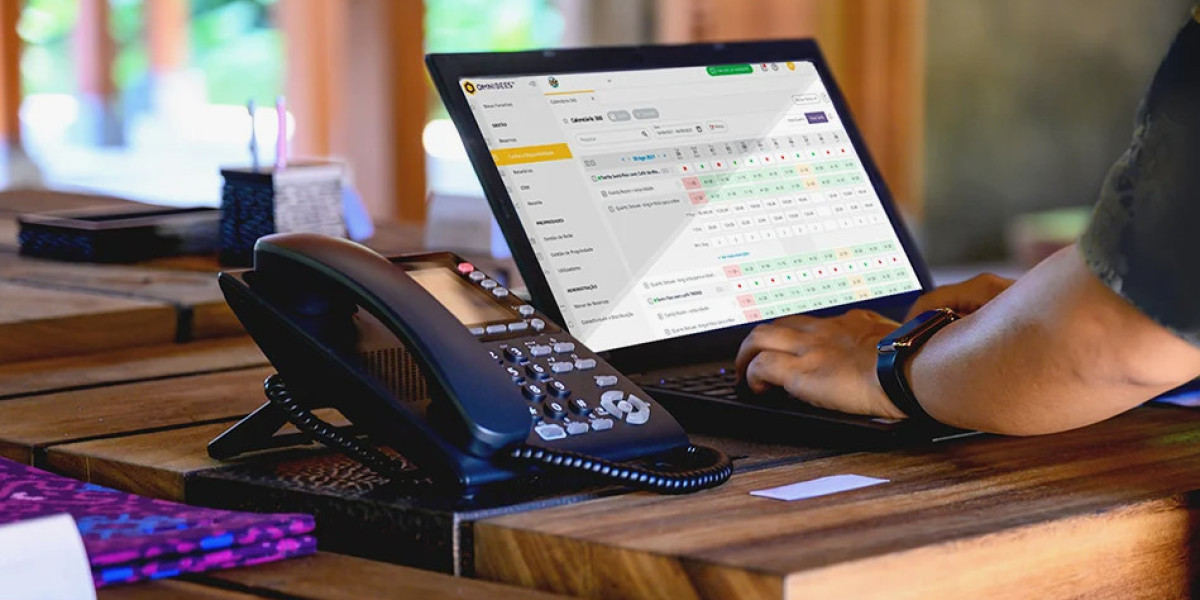

In the hospitality and commercial development sector, effective financial management is essential for successful project execution. One of the most critical components in this process is ff&e budget planning services, which help hotels, resorts, and commercial properties manage costs related to furniture, fixtures, and equipment. These services ensure that every aspect of procurement and installation is carefully budgeted, allowing projects to stay financially controlled while maintaining quality and design standards.
Understanding FF&E in Project Development
FF&E stands for Furniture, Fixtures, and Equipment, which are essential elements in any hospitality or commercial space. These components include guest room furniture, lobby fixtures, lighting systems, kitchen equipment, and operational tools. Since FF&E represents a significant portion of project investment, proper financial planning is necessary to ensure cost efficiency and quality consistency. Without structured budgeting, projects risk overspending or compromising on essential design elements.
Importance of Structured Budget Planning
Structured budget planning is the foundation of successful FF&E management. It involves forecasting costs, allocating resources, and monitoring expenses throughout the project lifecycle. A well-planned budget ensures that all necessary items are accounted for without exceeding financial limits. It also helps identify potential savings opportunities and prevents unexpected cost overruns. Proper financial planning allows project managers to make informed decisions and maintain control over expenditures.
Cost Estimation and Financial Forecasting
Accurate cost estimation is a key component of FF&E budget planning. This process involves analyzing project requirements, market prices, and supplier quotations to determine expected expenses. Financial forecasting helps predict future costs based on project timelines and market trends. By combining historical data with current market analysis, budget planners can create realistic financial projections. This ensures that projects remain financially viable from start to finish.
Procurement Strategy and Budget Alignment
Procurement strategy plays a crucial role in aligning budget goals with project requirements. FF&E budget planning services work closely with procurement teams to ensure that purchasing decisions align with financial constraints. This includes selecting cost-effective suppliers, negotiating contracts, and optimizing order quantities. A well-structured procurement strategy helps reduce unnecessary expenses while maintaining product quality and design integrity.
Vendor Selection and Cost Efficiency
Choosing the right vendors is essential for effective budget management. Reliable suppliers offer competitive pricing, consistent quality, and timely delivery. FF&E budget planners evaluate vendors based on cost, reliability, and product standards. Long-term vendor relationships often lead to better pricing agreements and improved service levels. Effective vendor selection ensures that financial resources are used efficiently while maintaining project quality standards.
Risk Management in Budget Planning
Financial risks are common in large-scale FF&E projects. These risks may include price fluctuations, supply chain disruptions, and unexpected design changes. Budget planning services help identify and mitigate these risks through proactive planning and contingency strategies. By setting aside contingency funds and conducting regular financial reviews, project managers can minimize the impact of unforeseen expenses. Risk management ensures financial stability throughout the project lifecycle.
Role of Technology in Budget Management
Modern technology has significantly improved FF&E budget planning processes. Digital tools and software platforms allow real-time tracking of expenses, vendor performance, and project progress. Advanced analytics provide insights into spending patterns and cost-saving opportunities. Automation reduces manual errors and improves accuracy in financial reporting. Technology-driven budget planning enhances transparency and efficiency in managing large-scale hospitality projects.
Importance of Design Coordination in Budgeting
Design coordination is closely linked to FF&E budgeting. Interior design choices directly impact material selection, pricing, and overall project costs. Budget planners work closely with designers to ensure that creative visions align with financial constraints. This includes selecting materials, finishes, and furnishings that meet both aesthetic and budgetary requirements. Proper coordination ensures that design goals are achieved without exceeding financial limits.
Phased Budget Implementation Approach
Large hospitality projects often adopt a phased budget implementation strategy. This approach divides the project into stages, allowing for better financial control and flexibility. Each phase has a defined budget allocation, ensuring that funds are used efficiently. Phased implementation also helps manage cash flow and reduce financial pressure on stakeholders. This method is particularly useful for large-scale hotel renovations and new constructions.
Sustainability and Cost Optimization
Sustainability is becoming an important factor in FF&E budget planning. Eco-friendly materials and energy-efficient equipment may have higher initial costs but offer long-term savings. Budget planners consider lifecycle costs when making purchasing decisions. Sustainable procurement practices help reduce operational expenses while supporting environmental responsibility. This approach aligns financial planning with modern sustainability goals in the hospitality industry.
Challenges in FF&E Budget Planning
Despite careful planning, FF&E budget management faces several challenges. These include fluctuating material costs, supply chain delays, and unexpected design modifications. Coordination between multiple stakeholders can also complicate financial planning. However, these challenges can be managed through proactive communication, regular budget reviews, and flexible planning strategies. Effective problem-solving ensures that projects remain on track financially.
Benefits of Professional Budget Planning Services
Engaging professional FF&E budget planning services offers numerous advantages. These services provide expert financial analysis, cost control strategies, and procurement support. They help reduce financial risks, improve resource allocation, and ensure project efficiency. Professional planners also bring industry experience and market knowledge, which enhances decision-making and cost optimization. This leads to more successful and financially stable project outcomes.
Future Trends in Budget Planning
The future of FF&E budget planning is shaped by digital transformation and data-driven decision-making. Artificial intelligence and predictive analytics are expected to play a larger role in forecasting costs and optimizing budgets. Automation will further streamline financial processes, reducing manual effort and improving accuracy. Additionally, sustainability and ethical sourcing will continue to influence budgeting strategies in the hospitality sector.
Conclusion: Ensuring Financial Success in Hospitality Projects
FF&E budget planning services are essential for managing costs and ensuring financial efficiency in hospitality and commercial projects. By combining strategic planning, procurement coordination, and risk management, these services help maintain control over complex budgets. As the industry continues to evolve, effective financial planning will remain a critical factor in delivering successful, high-quality, and cost-efficient projects. Businesses that invest in structured budget planning will benefit from improved profitability, reduced risks, and long-term operational success.