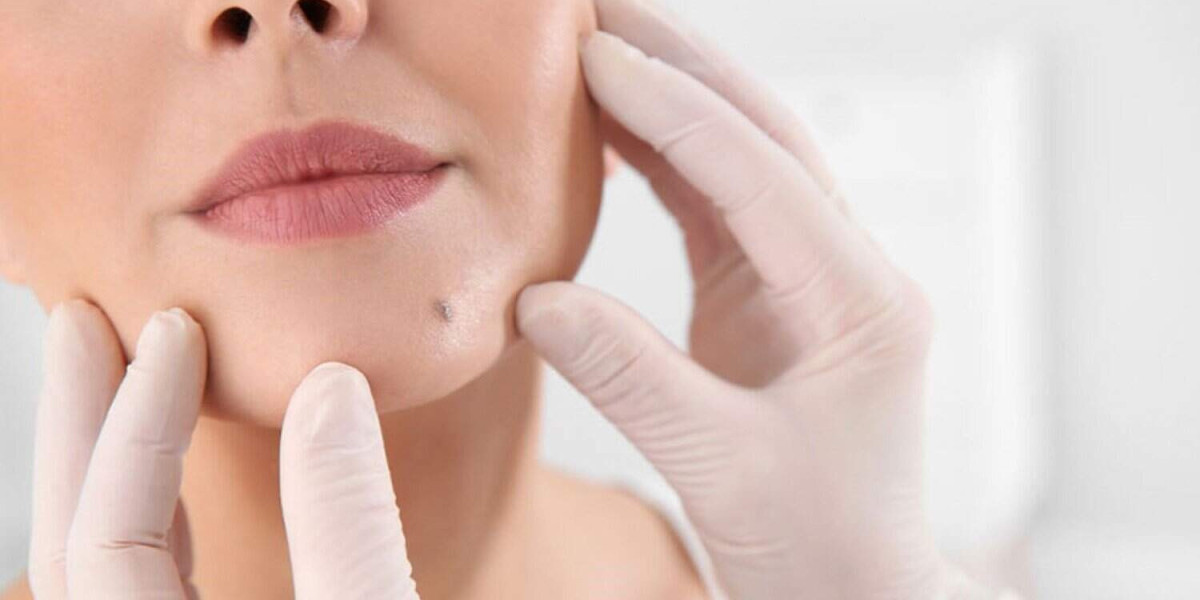

Mole removal is a common dermatological procedure that may be considered for cosmetic reasons, physical discomfort, or medical concerns. However, deciding whether a mole should be removed requires more than simply evaluating its appearance. An experienced medical assessment helps determine the nature of the mole, identify potential warning signs, select an appropriate removal method, and reduce avoidable risks. For individuals considering mole removal in Islamabad, professional evaluation provides a clearer understanding of the available options and expected outcomes.
Choosing a qualified healthcare professional is particularly important when a mole changes in size, shape, or colour. A careful assessment can help distinguish moles that may be suitable for cosmetic treatment from those that require further investigation. Understanding this process allows patients to make informed decisions based on their skin health, individual needs, and treatment goals.
Why Medical Assessment Matters Before Mole Removal
A medical assessment establishes whether mole removal is appropriate and identifies the safest next steps. Although many moles are harmless, some skin lesions can resemble ordinary moles while requiring additional investigation.
An experienced medical professional considers several factors before recommending treatment:
Appearance: The mole's colour, shape, border, and surface characteristics help guide the evaluation.
Size and location: These factors may influence the removal technique, healing process, and likelihood of visible scarring.
Medical history: Previous skin conditions, family history of skin cancer, medications, and healing problems may affect treatment decisions.
Changes over time: A mole that grows, bleeds, itches persistently, or develops an irregular appearance may need closer examination.
This information helps the clinician decide whether a mole can be considered for routine removal or whether further assessment, such as dermoscopy or a biopsy, is necessary.
Identifying Warning Signs During a Skin Examination
One of the most important benefits of an experienced assessment is the ability to recognize features that may require medical attention. A mole should not automatically be treated as a cosmetic concern simply because it is unwanted.
Clinicians may use the ABCDE guide to identify suspicious characteristics:
A — Asymmetry: One half of the mole differs from the other.
B — Border: The edges appear irregular, uneven, or poorly defined.
C — Colour: The mole contains multiple colours or develops an unusual colour change.
D — Diameter: The lesion is larger than approximately 6 mm, although melanomas can be smaller.
E — Evolving: The mole changes in size, shape, colour, or other characteristics over time.
These features do not confirm skin cancer, but they indicate when further medical investigation may be necessary. A suspicious lesion should be assessed before cosmetic removal, and any removed tissue may need histopathological examination.
Patients should arrange a prompt medical evaluation for a changing, bleeding, or otherwise unusual mole rather than attempting to remove it at home.
Selecting the Most Appropriate Mole Removal Method
Experienced assessment helps match the removal technique to the mole's characteristics and medical requirements. Not every mole is suitable for the same procedure, and cosmetic preferences should not override diagnostic safety.
Depending on the examination findings, a clinician may discuss the following options:
Surgical excision: The mole is removed using a surgical technique, often with local anaesthesia. This approach may be appropriate when complete removal and laboratory examination of the tissue are required.
Shave removal: A clinician removes a raised lesion by shaving it at the skin surface or to an appropriate depth. Suitability depends on the lesion's characteristics and whether tissue examination is needed.
Other specialist-directed approaches: Certain benign lesions may be suitable for alternative techniques, depending on their diagnosis, location, and appearance. Destructive cosmetic methods should not be used on a suspicious lesion before an appropriate diagnostic assessment.
During the consultation, patients should ask why a particular method is recommended, whether a scar is likely, and whether the removed tissue will be examined. These questions help clarify the benefits and limitations of treatment.
How Individual Skin Characteristics Influence Treatment
Every patient's skin and medical history are different. An experienced clinician evaluates these differences before recommending a procedure.
For example, a mole on the face may require careful planning because the patient may be particularly concerned about scarring. A mole located on the back or another area exposed to friction may present different healing considerations.
The assessment may include:
Skin type and any history of raised or keloid scars.
The mole's depth, location, and relationship to surrounding tissue.
Existing skin conditions and relevant medication use.
Expected healing time and aftercare requirements.
The patient's cosmetic expectations and medical priorities.
This individualized approach supports realistic expectations. Although appropriate technique and aftercare can help improve healing, no procedure can guarantee a scar-free result.
Understanding Risks, Recovery, and Aftercare
A professional consultation should explain both the potential benefits and the limitations of mole removal. Depending on the technique, possible risks include bleeding, infection, pigmentation changes, scarring, and incomplete removal.
Patients should understand how to care for the treated area and when to seek medical advice. General aftercare may include keeping the wound clean, following dressing instructions, avoiding unnecessary friction, and protecting healing skin from excessive sun exposure.
It is also important to attend any recommended follow-up appointments. If a mole is removed for medical reasons, the clinician should explain how pathology results will be communicated and whether further treatment may be necessary.
Choosing a Suitable Clinic for Mole Removal in Islamabad
Selecting a clinic involves more than comparing prices or looking at before-and-after photographs. Patients should consider the professional's qualifications, experience with skin lesions, assessment process, available diagnostic support, and approach to patient safety.
SKN Cosmetics in Islamabad is an option for individuals exploring cosmetic and aesthetic services. Before proceeding with mole removal, patients should confirm that the consultation includes an appropriate assessment by a qualified medical professional, that suspicious lesions can be referred for specialist investigation when necessary, and that the proposed technique is suitable for the specific lesion.
A reliable clinic should clearly explain:
Who will assess and perform the procedure.
Whether additional examination or biopsy is needed.
What results and scarring can realistically be expected.
How complications and follow-up care are managed.
Whether removed tissue will be sent for laboratory analysis when indicated.
These considerations help patients evaluate their options without relying solely on promotional claims.
Making an Informed Mole Removal Decision
An experienced medical assessment connects the patient's concerns with appropriate clinical decision-making. It helps identify warning signs, determine whether further testing is required, and establish a treatment plan based on the mole's characteristics.
Before booking a procedure, patients should prepare questions about the diagnosis, removal method, risks, recovery, and follow-up care. They should also disclose relevant medical history and report any changes they have noticed.
Ultimately, medical suitability should come before cosmetic preference. For people considering mole removal, a professional assessment provides a safer foundation for choosing the right treatment and understanding what to expect.
Frequently Asked Questions (FAQs)
What is the purpose of a medical assessment before mole removal?
It helps determine whether the mole is benign, suspicious, or requires further investigation before treatment.
Can every mole be removed for cosmetic reasons?
No. Suspicious moles may require specialist evaluation and biopsy before any cosmetic procedure.
Which mole removal method is best?
The most appropriate method depends on the mole's characteristics, location, and medical findings.
Can mole removal leave a scar?
Yes. Scarring is possible, and the likelihood depends on the technique, location, and individual healing response.
When should I have a mole medically assessed?
Seek an assessment if a mole changes in size, shape, or colour, or develops bleeding, persistent itching, or other unusual features.