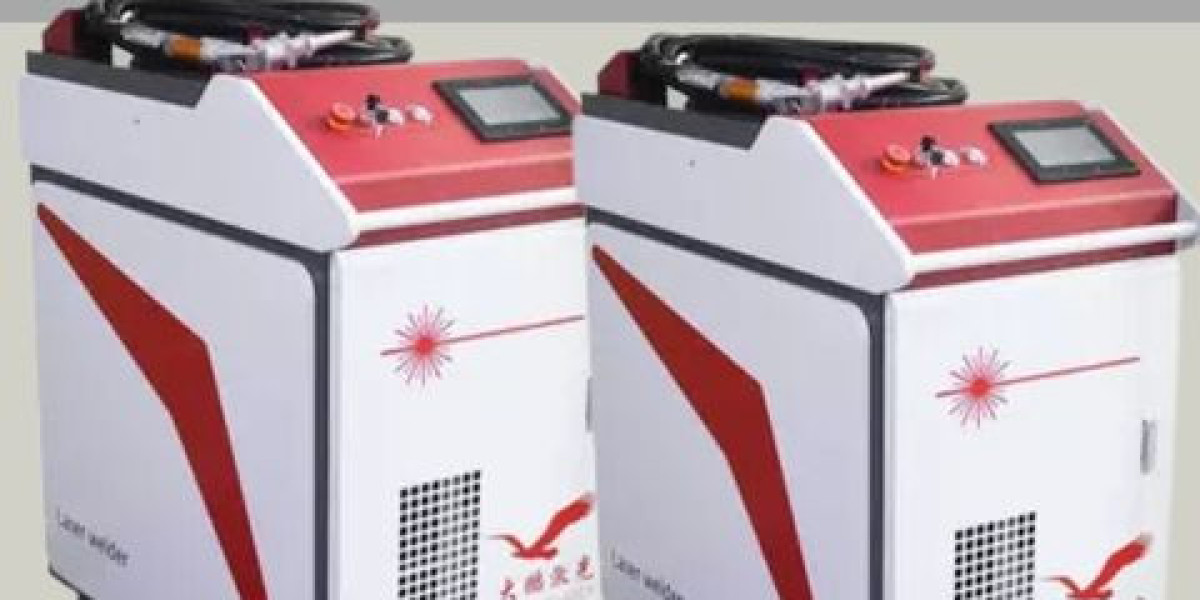

Choosing the right welding equipment is an important decision for metal fabrication businesses, automotive workshops, manufacturers, and industrial professionals. A handheld laser welding machine offers a modern approach to joining metal components with precision and controlled heat input. Before investing in this technology, buyers should understand the factors that influence the hand held laser welding machine price and how to select a model that meets their production requirements.
What Is a Handheld Laser Welding Machine?
A handheld laser welding machine uses a concentrated laser beam to join metal parts. The operator guides a handheld welding gun along the joint, allowing controlled welding across different component shapes and working positions. Depending on the machine's specifications, it can be used with materials such as stainless steel, carbon steel, and aluminum.
These machines are commonly used in metal fabrication, kitchen equipment production, automotive component manufacturing, sheet metal processing, and custom metalwork. Their applications range from small workshop projects to regular industrial production.
What Determines the Hand Held Laser Welding Machine Price?
The cost of a handheld laser welder varies according to its technical specifications, manufacturing quality, and intended application. Understanding these factors helps buyers compare machines more effectively.
1. Laser Power
Laser power is one of the main factors affecting the purchase price. Machines with different power ratings are designed for different material thicknesses, joint types, and production requirements. Lower-power models may suit lighter fabrication tasks, while higher-power equipment may be appropriate for more demanding industrial applications.
Before choosing a power rating, consider the metals you process, their thickness, the required welding speed, and the quality standards your business must maintain.
2. Laser Source and Components
The laser source influences the machine's performance, reliability, and overall cost. Buyers should review the source manufacturer's reputation, expected service life, warranty coverage, and availability of replacement components.
Other components, including the welding gun, control system, cooling unit, and wire-feeding equipment, can also affect the final price. A complete comparison should consider the specifications of the entire system rather than focusing only on the laser source.
3. Welding Materials and Applications
Different metals respond differently to laser welding. Stainless steel, carbon steel, and aluminum may require different operating parameters and welding techniques. Reflective materials, particularly aluminum, can require careful process selection and suitable equipment settings.
Selecting a machine according to your actual production needs helps avoid paying for unnecessary capacity or purchasing equipment that cannot meet your requirements.
Additional Costs to Consider
When evaluating the hand held laser welding machine price, remember that the initial equipment cost is only one part of the investment. Installation, operator training, maintenance, protective equipment, and replacement parts may contribute to the total budget.
Laser welding requires appropriate laser safety precautions. Buyers should ensure that the machine is installed in a suitable controlled area, with compatible laser-rated eye protection, appropriate barriers, and adequate fume extraction. Operators should receive training before using the equipment.
Shipping, import duties, taxes, and local technical support may also affect the final delivered cost, especially when purchasing from an overseas manufacturer.
How to Choose the Right Laser Welder
Start by defining your primary applications. Identify the metals you weld, their typical thicknesses, your expected production volume, and the finish required for each job.
Next, request a detailed quotation from potential suppliers. Confirm the laser power, source brand, cooling method, supported materials, available welding modes, warranty terms, and included accessories. Ask whether the supplier offers installation guidance, remote technical assistance, spare parts, and operator training.
If possible, request a welding demonstration using samples of your own material. This allows you to evaluate the weld appearance and process suitability before making a purchase decision.
Comparing at least two or three suppliers can help you understand the market and identify a machine that fits your technical requirements and budget.
Why Buy from an Experienced Manufacturer?
An established manufacturer can provide product documentation, technical specifications, application guidance, and after-sales support. These services are particularly important for businesses introducing laser welding for the first time.
When reviewing suppliers, examine their manufacturing experience, quality-control procedures, warranty policy, and customer support arrangements. Ask for clear information about consumables and replacement parts to help estimate ongoing operating expenses.
A reliable supplier should explain the machine's capabilities honestly and help you determine whether the equipment suits your production environment.
Final Thoughts
Finding the right handheld welder requires more than comparing advertised prices. The hand held laser welding machine price depends on laser power, component quality, application requirements, included accessories, and supplier support. A careful evaluation of these factors can help you make a confident purchasing decision.
For workshops and manufacturers planning to upgrade their welding processes, investing in suitable equipment can support consistent production and long-term business development. Request a detailed quotation, compare technical specifications, and confirm safety requirements before placing an order. The best choice is a machine that matches your workload, meets your quality expectations, and fits your overall investment plan.