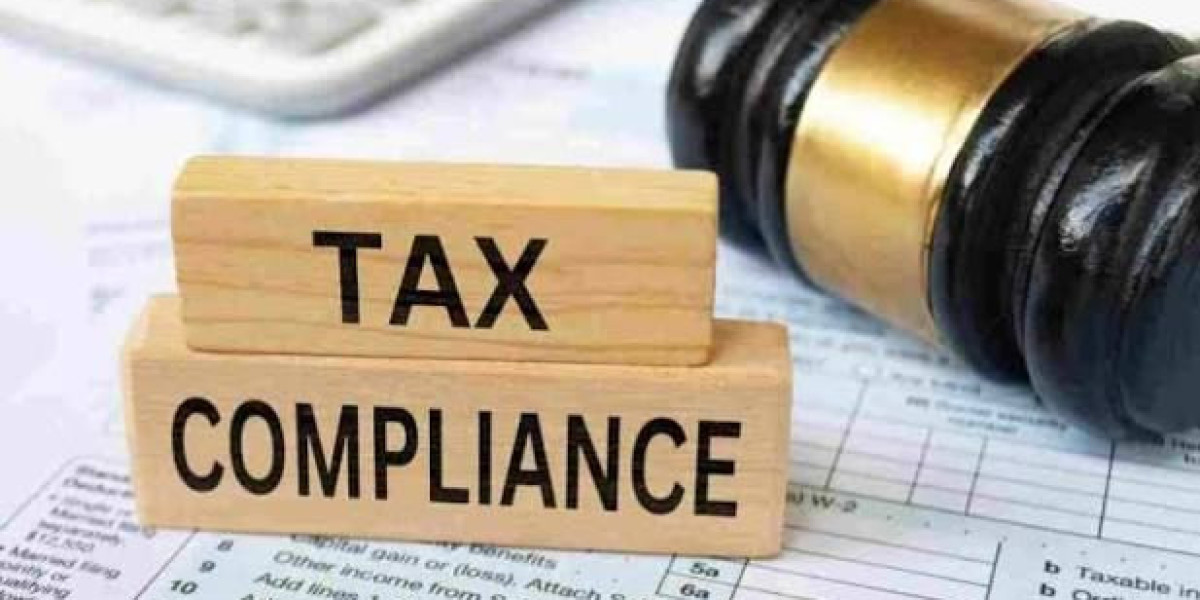

Tax compliance is an essential part of managing personal finances and operating a successful business. Individuals must report income accurately, claim eligible deductions, and maintain appropriate records to meet federal tax requirements. Businesses also need reliable accounting procedures to ensure that income, expenses, payroll obligations, and tax filings are properly documented.
As financial transactions become more complex, taxpayers may encounter confusing reporting requirements, questionable advice, or pressure to reduce their tax bills through improper methods. Understanding federal tax rules, recognizing potential violations, and seeking qualified professional guidance can help taxpayers protect their financial interests and avoid costly legal complications.
Understanding Tax Fraud and Federal Tax Compliance
The IRS distinguishes intentional efforts to evade tax from ordinary mistakes, negligence, and reasonable disagreements about tax treatment. Deliberately concealing taxable income, submitting false documents, or knowingly claiming deductions without a legitimate basis may trigger an investigation and significant penalties. The specific consequences depend on the conduct, available evidence, amount involved, and applicable law.
An inaccurate return does not automatically establish criminal wrongdoing. Tax laws can be complicated, and taxpayers sometimes make errors because of missing records, incorrect calculations, or misunderstandings. Intent, supporting documentation, and the circumstances surrounding a filing are important when determining whether a violation occurred.
Common Warning Signs of Tax Violations
Recognizing questionable practices early can help individuals and businesses protect themselves. Some warning signs involve deliberate misrepresentation, while others may indicate poor accounting or an unreliable tax preparer.
1. Underreporting Taxable Income
Taxpayers generally must report income required under federal law. Deliberately omitting payments, concealing business receipts, or failing to disclose taxable investment income can lead to additional assessments and penalties.
Business owners should reconcile invoices, bank deposits, payment processor statements, and tax forms before filing. Maintaining complete financial records helps ensure that reported income accurately reflects the business's activities.
2. Claiming Unsupported Deductions
Deductions and credits can reduce a tax liability when the taxpayer meets the relevant eligibility requirements. Problems arise when someone knowingly invents expenses, claims personal purchases as business costs without a valid basis, or requests credits for which they do not qualify.
Taxpayers should retain receipts, invoices, mileage records, charitable contribution documentation, and other evidence supporting their claims. When a deduction is uncertain, checking official IRS guidance or consulting a qualified tax professional is safer than relying on unverified online advice.
3. Using False Financial Documents
Altering income statements, creating fabricated invoices, or knowingly submitting misleading records can create serious compliance risks. These actions may affect both the taxpayer and other parties involved in preparing or submitting the return.
Accurate bookkeeping, separate business and personal accounts, and consistent documentation can reduce mistakes and make it easier to respond to questions from tax authorities.
Potential Penalties and Legal Consequences
The consequences of tax fraud can include unpaid taxes, interest, civil penalties, and criminal prosecution in serious cases. The IRS may assess a civil fraud penalty equal to 75% of the portion of an underpayment attributable to fraud. This penalty is separate from the underlying tax and applicable interest.
Criminal penalties depend on the offense charged. Federal law addressing willfully filing a materially false tax return provides for fines and possible imprisonment. For example, a violation of 26 U.S.C. § 7206(1) can carry a fine of up to $100,000 for an individual, up to $500,000 for a corporation, imprisonment for up to three years, or both, plus the costs of prosecution. These are statutory maximums, not automatic penalties in every case.
Not every tax error leads to these consequences. The IRS evaluates the facts and applicable legal standards, including whether the required intent can be established. Taxpayers facing a significant dispute or allegations of deliberate misconduct should consider obtaining legal advice before responding to detailed inquiries.
What to Do When You Discover a Tax Return Error
Finding a mistake on a previously filed return does not necessarily mean that a taxpayer has violated the law. The appropriate response depends on the nature of the error and whether the IRS has already contacted the taxpayer.
Consider these practical steps:
Review the original return: Identify the incorrect income, deduction, credit, filing status, or other information.
Collect supporting documents: Gather tax forms, receipts, statements, and other records that help establish the correct figures.
Determine whether an amendment is needed: Individuals may need to use Form 1040-X to correct certain items on a previously filed federal income tax return.
Respond to IRS correspondence: Follow the instructions in official notices and observe applicable deadlines.
Seek professional guidance: Consult a qualified tax professional when the error involves significant amounts, multiple tax years, or possible intentional misrepresentation.
The IRS explains that some mathematical errors are corrected during processing, while other changes may require an amended return. Taxpayers should review the applicable instructions before filing additional paperwork.
How Businesses Can Strengthen Tax Compliance
Businesses can reduce compliance risks by developing clear accounting procedures and reviewing financial records regularly. Owners should ensure that employees understand documentation requirements and that transactions are recorded consistently.
Useful practices include maintaining organized receipts, reconciling accounts, reviewing payroll and information returns, and verifying deductions before submitting a tax return. Businesses should also be cautious of promoters who promise unusually large refunds or guaranteed tax savings through questionable arrangements.
An independent review by a qualified accountant or tax professional can help identify reporting inconsistencies before they become more serious problems. For complex business structures, professional advice can clarify how income, expenses, distributions, and other transactions should be reported.
When to Seek Professional Tax or Legal Assistance
Professional assistance may be particularly valuable when a taxpayer receives an audit notice, faces a proposed civil fraud penalty, discovers substantial errors, or learns that a preparer submitted a return without proper authorization.
A qualified tax attorney can explain legal rights, review the evidence, and help determine how to respond to an investigation or dispute. Certified public accountants and enrolled agents may also assist with tax preparation, compliance, and representation within their authorized scope.
If a taxpayer suspects that a paid preparer has acted improperly, the IRS provides procedures for reporting preparer misconduct. Taxpayers should preserve copies of filed returns, engagement agreements, payment records, and relevant communications.
Conclusion
Accurate reporting, reliable documentation, and informed decision-making are fundamental to responsible tax management. Individuals and businesses that review their records carefully, verify questionable advice, and address errors promptly are better positioned to meet their obligations. When a tax concern becomes complicated, seeking qualified assistance can help clarify available options and support a more responsible resolution.