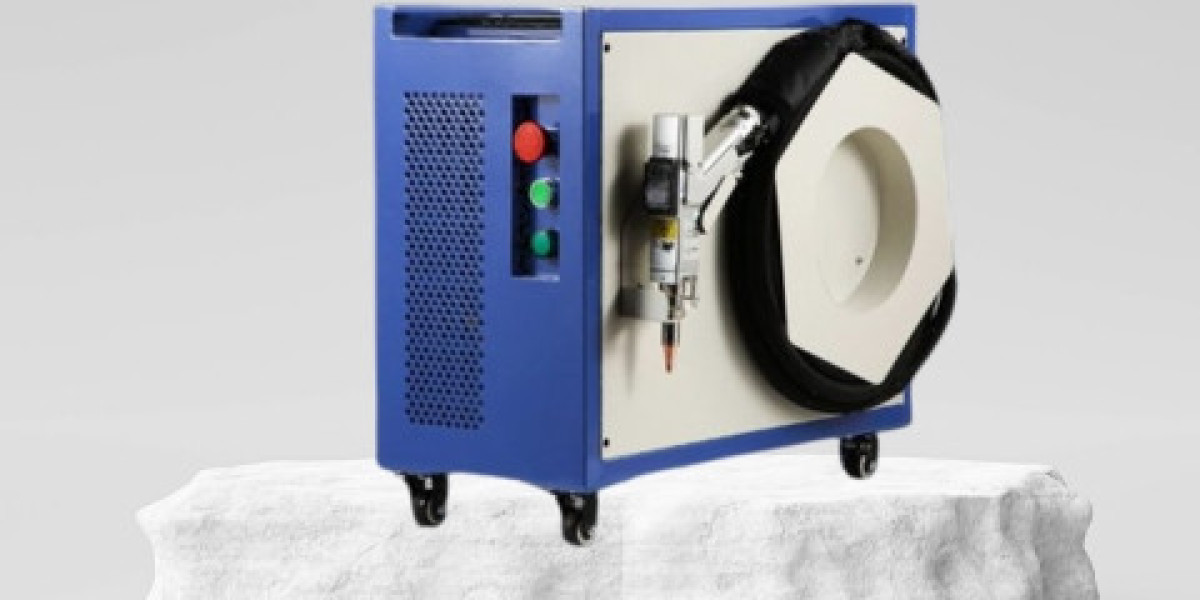

A laser welding and cutting machine is a versatile solution for businesses that require accurate metal processing, clean cuts, and reliable welding results. By combining laser technology with modern manufacturing systems, this equipment helps workshops and industrial facilities handle different metalworking tasks with greater precision and consistency.
From stainless steel fabrication to automotive components and custom metal products, laser systems are becoming an important part of modern production. Choosing the right machine allows manufacturers to improve workflow efficiency, maintain product quality, and meet changing customer requirements.
How Does a Laser Welding and Cutting Machine Work?
A laser welding and cutting machine uses a concentrated laser beam to process metal materials. During cutting, the laser delivers focused energy to a specific point, melting or vaporizing the material along a programmed path. An assist gas may be used to remove molten material and support a clean cutting edge.
During welding, the laser beam heats the joint between two metal pieces, melting the material and creating a strong connection as it cools. The process can produce narrow weld seams with controlled heat input when the machine is correctly configured.
Depending on the equipment design, welding and cutting functions may be available in a combined system or through separate machines. Businesses should confirm the machine's actual capabilities before purchasing.
Applications Across Different Industries
The laser welding and cutting machine is suitable for a wide range of industrial and commercial applications.
Automotive Manufacturing
Automotive manufacturers use laser processing for metal brackets, panels, structural components, and selected precision assemblies. Accurate cutting and controlled welding help maintain consistent dimensions during production.
Stainless Steel Fabrication
Fabrication workshops process stainless steel sheets, enclosures, cabinets, kitchen equipment, and decorative metal products. Laser cutting supports detailed shapes, while laser welding helps join components with neat seams.
Machinery and Equipment Production
Manufacturers can use laser systems to produce machine housings, metal frames, support brackets, and customized industrial parts. Appropriate machine settings help achieve repeatable results across production batches.
Furniture and Decorative Products
Metal furniture producers and interior design businesses can process steel and stainless steel components for tables, frames, partitions, and decorative panels. Precise cutting also supports intricate patterns and customized designs.
Materials and Machine Selection
Before investing in a laser system, it is important to identify the materials and thicknesses that your business processes most frequently. Common materials include carbon steel, stainless steel, and, with suitable equipment, aluminum and other compatible metals.
Laser source power, cutting capacity, welding requirements, operating speed, and material compatibility should all influence the purchasing decision. A machine designed for thin sheet metal may not be appropriate for thick industrial components.
Businesses should also consider the working area, cooling system, control software, maintenance requirements, and availability of replacement parts. These details help ensure that the equipment matches both current production needs and future business plans.
Safety and Operating Requirements
Laser equipment requires proper installation, operator training, and suitable safety controls. High-powered laser beams can cause serious eye and skin injuries, while metal processing may generate fumes, sparks, and hot material.
Operators should follow the manufacturer's safety instructions, use the specified protective equipment, and maintain appropriate ventilation and extraction systems. Enclosures, interlocks, and other protective measures should be selected according to the laser's classification and application.
Regular inspection and maintenance are also important for keeping the equipment operating consistently and reducing unexpected downtime.
Choosing the Right Supplier
When comparing suppliers, request detailed specifications covering laser power, supported materials, cutting thickness, welding performance, and compatible accessories. Ask whether installation guidance, operator training, technical support, and warranty coverage are included.
It is also helpful to request sample processing demonstrations using materials similar to those used in your workshop. Comparing actual results can provide a clearer understanding of cutting quality, weld appearance, and production suitability.
A reliable supplier should explain the equipment's capabilities clearly and help you select a configuration that matches your production requirements and budget.
Final Thoughts
Investing in a laser welding and cutting machine can help metalworking businesses expand their production capabilities and meet demand for accurately processed components. The right equipment depends on material types, thickness requirements, production volume, and the specific tasks performed every day.
By evaluating technical specifications, prioritizing workplace safety, and choosing a dependable supplier, manufacturers can select a laser processing solution that supports consistent quality and long-term operational growth.









