
Introduction
Insects are part of nature, but they can quickly become unwanted guests in your home. Whether it's mosquitoes buzzing around at night, ants marching across the kitchen, or flies circling your food, dealing with these pests is crucial for comfort and hygiene. That's where insect spray comes in, offering a simple yet effective solution to keep your home pest-free.
But how do you choose the best insect spray? What makes one product better than another? In this guide, we’ll explore everything you need to know about insect sprays—what they are, how they work, their benefits, and tips for using them effectively.
What is Insect Spray?
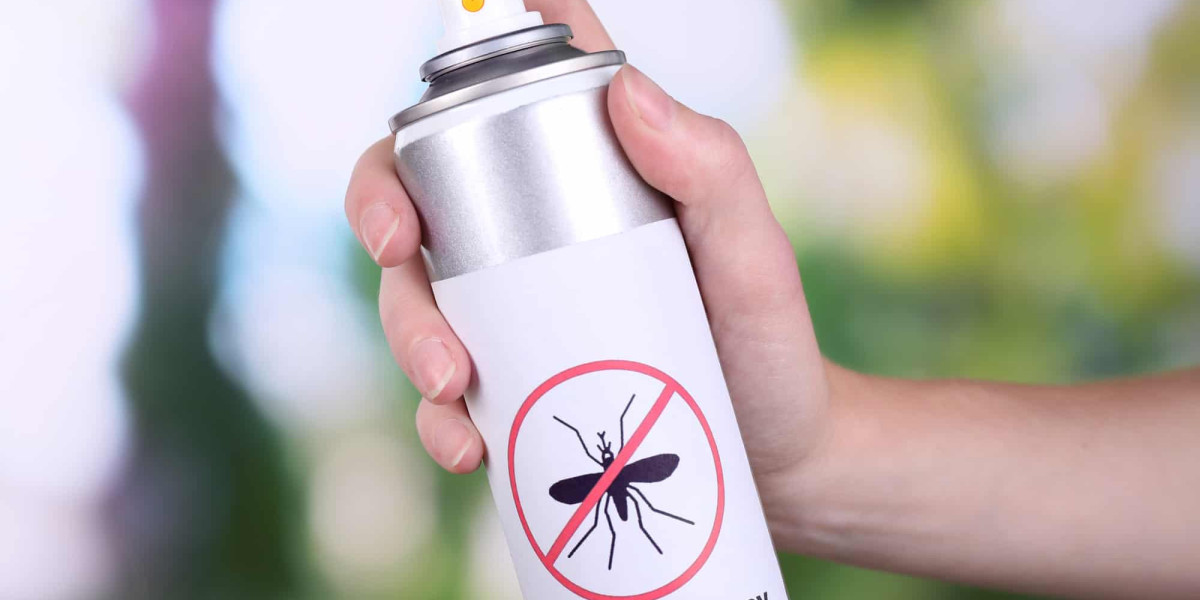
Insect spray, often referred to as bug spray, is a chemical or natural product designed to repel or kill insects. These sprays are used to protect against common pests like mosquitoes, flies, ants, roaches, and even termites. Insect sprays come in various forms, including aerosols, pumps, and concentrates, and can be used both indoors and outdoors.
Examples of Insect Sprays:
Mosquito Repellent Spray: Used to keep mosquitoes away and reduce the risk of mosquito-borne diseases.
Ant Killer Spray: Targets and eliminates ant colonies around the house.
Fly Spray: Aims to kill or repel flies in kitchens and dining areas.
Benefits of Using Insect Spray
Insect sprays are a popular choice for pest control, and for good reason. Here are some of the key benefits:
1. Quick Action
Insect sprays often work fast. Most of them kill or repel pests within minutes of application.
2. Convenience
Using insect spray is simple. Just spray it where pests are present, and you're good to go. There’s no need for complicated traps or preparation.
3. Prevention of Diseases
Some insects, like mosquitoes, are carriers of diseases such as malaria, dengue, and Zika. By using insect spray, you can reduce the risk of these health threats.
4. Long-Lasting Effects
Certain insect sprays provide long-lasting protection, preventing pests from returning for weeks.
5. Targeted Action
Many sprays are designed to target specific pests, making them more effective than general pest control methods.
How Insect Spray Works
Insect sprays contain chemicals or natural ingredients that interfere with an insect's nervous system or physical functions. Here's how they typically work:
1. Repellents vs. Killers
Repellents don’t necessarily kill insects. Instead, they create an invisible barrier that pests avoid. These are commonly used for mosquitoes and flies.
Insecticides are designed to kill pests on contact. They often target the nervous system of insects, causing paralysis or death.
2. Active Ingredients
Common ingredients in insect sprays include:
Read this blog: room freshener price PK
Pyrethroids: Synthetic chemicals that mimic natural insecticides found in chrysanthemum flowers.
DEET: A chemical widely used in mosquito repellents.
Essential Oils: Natural alternatives, such as citronella, eucalyptus, and lavender, are effective for repelling insects.
3. Application Tips
Indoor Use: Spray around windows, doors, and areas where pests are commonly found.
Outdoor Use: Apply in areas with high insect traffic, such as gardens or patios.
Safety Precautions: Always follow the instructions on the label and avoid direct contact with sprayed areas immediately after application.
Common Mistakes / Myths About Insect Spray
While insect sprays are effective, many people make mistakes when using them. Here are a few common myths and corrections:
Myth 1: "All Insect Sprays Are the Same."
Correction: Not all insect sprays are the same. Some are designed for specific pests, while others may be more effective for long-term control.
Myth 2: "You Only Need to Spray Once."
Correction: Some insect sprays offer long-lasting protection, but most require reapplication every few days or weeks, depending on the product.
Myth 3: "Natural Insect Sprays Are Always Safe."
Correction: While natural sprays may be safer than chemical ones, they can still be harmful if not used correctly. Always read the label and use them as directed.
Myth 4: "Insect Sprays Are Harmful to Humans."
Correction: While insecticides can be toxic if ingested or misused, most products are safe for humans when used according to the label. Always take precautions, such as keeping children and pets away from treated areas.
Expert Advice on Choosing the Right Insect Spray
When choosing an insect spray, it's important to consider the following:
1. Know Your Pests
Different insect sprays target different pests. For example, mosquito repellents won’t work against ants. Make sure the spray you choose is designed for the pests you're dealing with.
2. Consider the Ingredients
If you're concerned about chemicals, look for natural sprays containing essential oils like citronella, eucalyptus, or peppermint.
3. Read the Label
Always check the label for recommended usage, safety instructions, and potential side effects.
4. Effectiveness
Look for sprays that have a proven track record of effectiveness. Check customer reviews or consult experts in pest control for recommendations.
5. Safety
Choose a spray that is safe for your home and family. If you have pets or young children, look for products specifically labeled as safe for them.
Conclusion
Insect spray is an essential tool in maintaining a pest-free home. Whether you're dealing with mosquitoes, ants, or flies, choosing the right insect spray can make a big difference in your comfort and health.
By understanding how these products work, their benefits, and how to use them effectively, you can enjoy a pest-free environment year-round. If you haven't already, it's time to choose the right insect spray for your home. Don’t wait for pests to take over—take action now and protect your space from unwanted guests!









