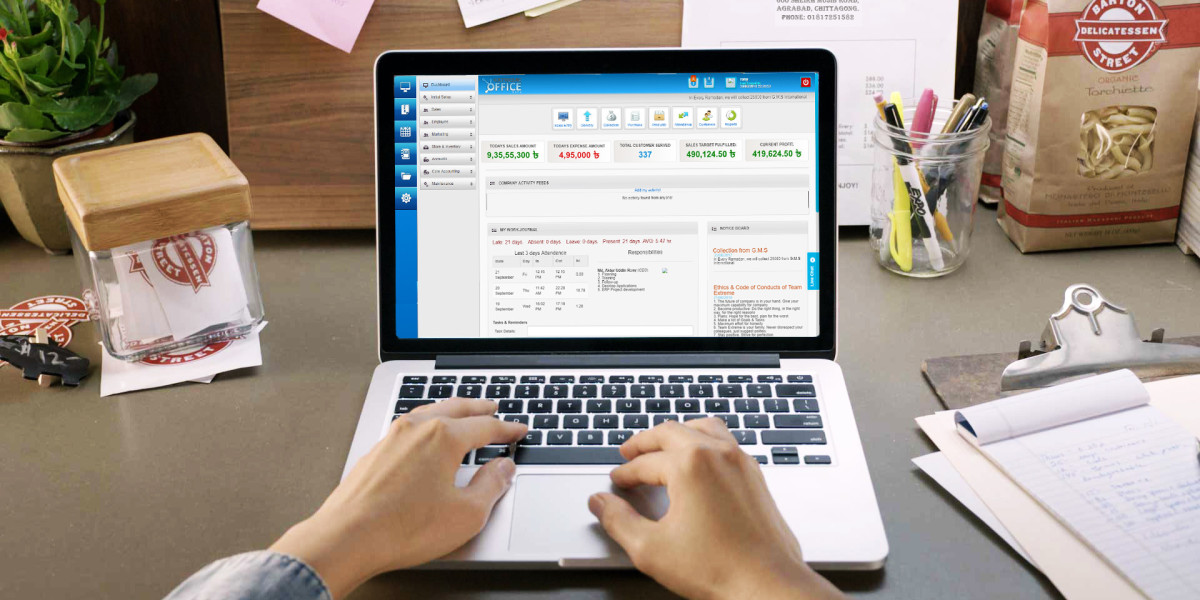

In today’s fast-paced digital world, businesses are constantly seeking ways to streamline their operations, improve customer experiences, and increase profitability. One tool that has become indispensable to retailers, restaurants, service providers, and more is a modern Point of Sale (POS) software system. Whether you run a small boutique or manage a large chain of stores, the right POS solution can be a game-changer.
When discussing the أفضل نظام برمجيات نقاط البيع, we’re talking about the best POS software systems — those that are fully equipped with advanced features, cloud capabilities, intuitive interfaces, and deep integrations. In 2026, POS systems are no longer just cash registers; they are powerful business management platforms that integrate sales, inventory, customer relations, reporting, and even AI analytics.
In this blog, we’ll take an in-depth look at the top benefits of using the best POS software system in 2026 — from enhancing customer satisfaction to boosting revenue and operational efficiency.
Boost in Operational Efficiency
One of the most significant advantages of the best POS systems is their ability to automate and streamline day-to-day tasks.
Inventory Management:
Modern POS systems automatically track inventory in real time. Every sale, return, or exchange instantly updates stock levels, reducing errors from manual updates and preventing stockouts or overstocking.
Faster Transactions:
With intuitive user interfaces and quick scanning or touch-screen options, POS systems speed up checkout times, reducing queues and improving customer turnaround.
Multi-Location Support:
Growing businesses with multiple outlets benefit from centralized data. Managers can view sales and inventory across all locations from one dashboard.
Automated Reporting:
Instead of generating reports manually, POS systems automatically produce daily, weekly, monthly, and yearly reports — giving you more time to focus on strategy.
Data-Driven Business Insights
One of the most powerful benefits of modern POS solutions is the wealth of data they provide.
Sales Trends:
Track which products are performing well, seasonal peaks, and customer spending patterns.
Customer Insights:
Understand buying behavior, average transaction values, and repeat purchase frequency. This data helps in creating targeted marketing campaigns.
Employee Performance:
Identify top-performing staff members and optimize schedules based on busy hours.
Forecasting:
With AI-assisted analytics in many top systems, you can predict future demand and prepare inventory accordingly.
Why It Matters:
Data is the backbone of smart business decisions. The more you understand what’s happening in your business, the better decisions you can make to optimize profits, reduce waste, and improve customer satisfaction.
Enhanced Customer Experience
Customer expectations have never been higher. Today’s consumers expect fast, seamless, and personalized interactions — and the right POS system delivers exactly that.
Quick Checkouts:
Faster transactions mean shorter queues and happier customers.
Multiple Payment Options:
A leading POS system supports all payment types — cash, credit and debit cards, mobile wallets, contactless payments, and even buy-now-pay-later options.
Customer Profiles:
Create and store customer profiles to personalize experiences. For example, greet repeat customers by name or send personalized promotions.
Loyalty Programs:
Integrated loyalty programs encourage repeat business. Points, rewards, and special discounts can be automatically applied at checkout.
Mobility and Flexibility
Today’s best POS systems are no longer tied to a traditional cash register counter. Many are cloud-based, meaning they can run on mobile devices like tablets and smartphones.
Mobile POS:
Serve customers anywhere — in-store, at events, pop-ups, or even outdoors. Mobile POS enhances flexibility and customer reach.
Cloud Access:
With cloud-based systems, business owners can access real-time data from anywhere in the world. Whether you’re traveling or working from home, you can monitor sales, manage inventory, and more.
Offline Mode:
Even if your internet goes down, many modern systems continue operating and sync data once connectivity is restored.
Improved Security & Compliance
Security is a major concern for businesses and customers alike. The best POS systems in 2026 place significant emphasis on protecting sensitive data.
Encrypted Transactions:
Credit card data and personal information are encrypted to prevent unauthorized access.
User Permissions:
You can control who has access to what. For example, a cashier might only have access to sales functions, while a manager can view reports and inventory data.
Regulatory Compliance:
Advanced POS solutions keep your business compliant with local tax laws, PCI-DSS standards, and other security regulations.
Automatic Backups:
Cloud-based POS systems regularly back up data, reducing the risk of loss due to hardware failure.
Integration with Other Business Tools
The best POS systems in 2026 don’t stand alone — they integrate seamlessly with other software platforms, creating a unified business ecosystem.
Accounting Software:
Sync sales and expense data directly to accounting tools like QuickBooks or Xero.
E-commerce Platforms:
If you sell online and offline, POS systems can centralize inventory and sales in one place.
Marketing Tools:
Connect your POS to email and SMS marketing platforms for automated campaigns.
Supplier & Procurement Systems:
Inventory alerts can trigger automatic reorders from preferred suppliers.
These integrations save time, reduce errors, and eliminate the need for manual data entry across multiple platforms.
Scalability for Business Growth
A major benefit of the best POS system is that it scales with your business.
Add More Locations:
Expanding to new locations doesn’t require a complicated overhaul of your systems.
Add Staff:
Easily add user accounts and define roles as you hire more employees.
Expand Sales Channels:
Whether you want to sell online, in-store, or at events and markets, modern POS systems adapt without friction.
New Features:
Software updates are automatic and often include new tools and capabilities to keep your business competitive.
Cost Savings & Higher ROI
While investing in a sophisticated POS system may seem expensive at first, the benefits quickly translate into cost savings and improved profitability.
Reduced Errors:
Automatic inventory tracking minimizes shrinkage from mistakes.
Fewer Manual Tasks:
Less time on administrative work means more time for revenue-generating activities.
Better Pricing Strategies:
Data insights help refine pricing, discounts, and promotions for higher profitability.
Fewer Third-Party Tools:
With integrated marketing, customer management, and reporting, you might not need separate software subscriptions.
Real-Time Performance Monitoring
Real-time dashboards let you monitor sales, cashier activity, inventory levels, and customer engagement as they happen. This means you can:
Spot issues immediately (e.g., low stock alerts)
Adjust pricing strategies on the fly
Track busy periods and optimize staffing
Respond to customer needs instantly
Real-time data empowers businesses to make proactive decisions — that’s a huge advantage in a competitive market.
Ecommerce Readiness & Omnichannel Support
In 2026, customers expect a seamless blend between online and offline shopping. The best POS systems support omnichannel selling, meaning:
Inventory syncs across retail locations and online stores
Customers can buy online & pick up in store (BOPIS)
Returns and exchanges can be processed anywhere
By integrating multiple sales channels, businesses provide cohesive experiences that strengthen customer loyalty.
Summary: Why Top POS Systems Matter in 2026
In a world where customer expectations, technology, and competition are constantly evolving, having the best POS system is no longer optional — it’s essential. From boosting operational efficiency to delivering personalized customer experiences, a modern POS solution helps businesses:
Reduce manual work
Increase revenue
Improve customer satisfaction
Make data-driven decisions
Grow smoothly and sustainably
Whether you’re a startup or an established enterprise, embracing the right POS system gives you the tools to thrive in 2026 and beyond.
Conclusion
In 2026, the best POS software systems are no longer just transactional tools — they are strategic business platforms. From powerful analytics and omnichannel selling to improved customer experiences and automated tasks — investing in a top POS solution is one of the smartest choices a business can make.
Whether you want to streamline daily operations, gain competitive insights, or deliver world-class customer service, بهترین POS system brings the benefits your business needs for growth, adaptability, and long-term success.
Frequently Asked Questions (FAQs)
1. What is a POS software system?
A POS (Point of Sale) software system is technology that manages sales transactions, tracks inventory, processes payments, and provides business analytics — acting as the central hub for retail and hospitality operations.
2. How does أفضل نظام برمجيات نقاط البيع differ from traditional cash registers?
Unlike traditional cash registers that only handle basic transactions, modern POS systems offer automated inventory management, customer relationship tools, analytics, cloud access, security features, and integrations with other business applications.
3. Can a POS system work offline?
Many modern POS systems offer offline mode, allowing you to continue processing sales even when the internet is down. Once connectivity is restored, the system syncs data automatically.
4. Are all POS systems suitable for small businesses?
Not all. While there are affordable and simple POS solutions designed for small businesses, larger operations may require more advanced systems with multi-location support, extensive reporting, and powerful integrations.
5. Is POS software safe for handling customer payment information?
Yes. Top POS systems use strong encryption, comply with security standards like PCI-DSS, and regularly update security protocols to protect sensitive data.
6. Can I integrate my POS with my online store?
Absolutely. Many modern POS systems integrate with ecommerce platforms so inventory and sales sync in real time across all channels.
7. How much does a POS system cost?
Costs can vary widely based on features, number of users, hardware needs, and support services. Some systems have monthly subscriptions, while others may require one-time licensing fees.