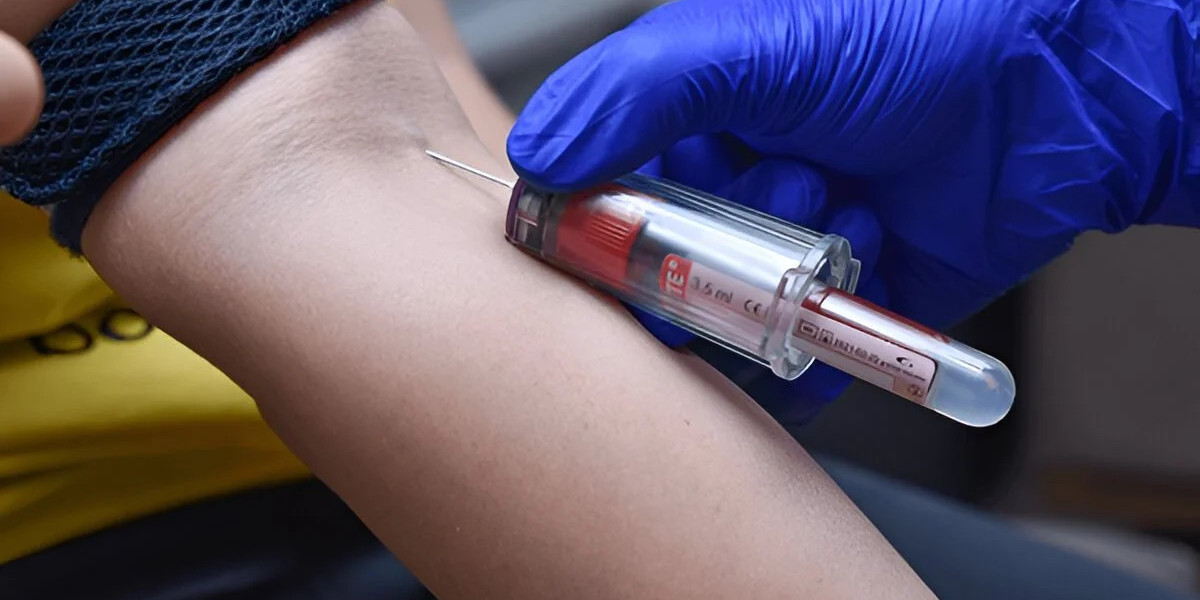

Advances in healthcare technology have made it possible for individuals to monitor their health from the comfort of their homes. A Blood Test at Home allows users to collect small samples, typically via a finger-prick, and send them to certified laboratories for professional analysis. While the process seems simple, it is underpinned by sophisticated scientific principles that ensure accuracy, reliability, and clinical relevance. Understanding the science behind these tests helps users appreciate how technology, biology, and laboratory protocols come together to provide meaningful health insights.
Integration of technology and biology
Accurate and clinically relevant results
Empowerment through accessible health monitoring
How Blood Samples Are Collected at Home:
The first step in at-home testing is safe and precise sample collection. Kits typically use a finger-prick method to draw a small amount of blood, which is sufficient for many routine biomarkers. The design of collection devices minimizes contamination, preserves sample integrity, and ensures usability for people without medical training. Proper collection is critical to ensuring that the subsequent analysis reflects true physiological values.
Sterile, single-use lancets
Capillary blood collection for small-volume testing
Instruction-guided procedures to reduce errors
Transporting and Preserving Samples:
Once collected, samples must be transported to a laboratory without degradation. Home test kits include materials to stabilize blood and protect it from temperature variations, light exposure, and bacterial contamination. Many kits use chemical preservatives or absorbent cards to maintain sample quality during transit. This step ensures that laboratory analysis remains accurate despite the delay between collection and testing.
Stabilizing agents in collection devices
Temperature-resistant packaging
Secure shipping to certified labs
Laboratory Analysis Techniques:
Upon arrival at the laboratory, blood samples are analyzed using the same sophisticated technologies employed in traditional clinical testing. Common techniques include spectrophotometry, immunoassays, and enzymatic reactions to measure biomarkers such as cholesterol, glucose, or vitamin levels. Automation and standardized protocols minimize human error and improve precision, ensuring results are both reliable and repeatable.
Automated analyzers for consistent results
Use of immunoassays and enzymatic detection
Standardized protocols for high accuracy
Quality Control and Certification:
The reliability of at-home testing is reinforced by strict laboratory quality control measures. Accredited laboratories adhere to industry standards and perform routine calibration, proficiency testing, and verification of results. These measures ensure that results from home-collected samples meet the same clinical standards as those obtained in a traditional laboratory setting.
Laboratory certification and compliance
Routine calibration and validation
Proficiency testing for accuracy assurance
Understanding Biomarkers Measured in At-Home Tests:
At-home tests focus on specific biomarkers that provide actionable insights into overall health. These include metabolic markers, lipid profiles, hormone levels, nutrient concentrations, and indicators of inflammation. Each biomarker is linked to particular physiological processes, allowing individuals to monitor aspects of health such as heart function, metabolic balance, and immune system activity.
Cholesterol and lipid panels for cardiovascular health
Glucose and insulin for metabolic monitoring
Vitamins and minerals for nutritional assessment
Inflammatory markers for immune function
Interpreting Home Test Results:
After laboratory analysis, results are delivered digitally along with reference ranges and explanations. Reference ranges indicate typical values observed in healthy populations, while trends over time provide deeper insight into personal health patterns. Understanding these results helps users make informed decisions, whether adjusting lifestyle habits or seeking professional guidance.
Comparison with established reference ranges
Tracking trends for proactive monitoring
Guidance for interpreting values in context
Limitations and Considerations:
While at-home testing is highly effective for many markers, it has limitations. Complex diagnostics, urgent evaluations, or tests requiring large blood volumes are better suited to traditional laboratory settings. Additionally, proper collection and adherence to instructions are crucial for accurate results, making user education an essential part of the process.
Not suitable for emergency or complex diagnostics
Accuracy depends on correct sample collection
Complementary use with professional medical guidance
How At-Home Testing Supports Preventive Health:
By providing accessible, reliable insights, at-home blood tests empower individuals to engage in preventive care. Regular monitoring of key biomarkers helps identify potential health issues early, enabling timely lifestyle adjustments or medical consultation. This approach fosters long-term wellness and encourages proactive management of health risks.
Early detection of risk factors
Support for lifestyle adjustments and prevention
Continuous monitoring for informed decisions
The Role of Technology in Home Testing:
Advancements in microfluidics, digital reporting, and secure data platforms underpin the at-home blood testing revolution. Microfluidic devices enable precise measurement of tiny blood samples, while digital systems provide instant access to results and visual interpretation tools. Secure data handling ensures privacy and facilitates sharing with healthcare providers.
Microfluidic technology for small-volume analysis
Digital dashboards and trend visualization
Secure data sharing for professional consultation
Final Thoughts:
The science behind at-home blood testing combines biology, technology, and rigorous laboratory protocols to deliver accurate, actionable insights from the comfort of home. From sample collection and stabilization to advanced lab analysis and digital reporting, every step is designed to ensure reliability. By understanding how these tests work, individuals can confidently use them to monitor health, support preventive care, and make informed decisions, bridging convenience with clinical accuracy.










