
The world of temporary body art is undergoing a fascinating transformation, blending ancient botanical traditions with high-tech cosmetic chemistry. For centuries, henna has been synonymous with the warm, earthy tones of the Lawsonia inermis plant, used across the globe to celebrate weddings, festivals, and rites of passage. However, a new trend has emerged on social media and at high-end bridal events: "White Henna." While it creates a stunning, lace-like aesthetic that mimics traditional patterns, it is a completely different substance from its biological namesake. For practitioners and enthusiasts, understanding the chemical and functional differences between these two mediums is the first step toward professional mastery in the field.
Navigating the nuances of these materials requires more than just an artistic eye; it demands a technical understanding of skin safety and product composition. This is why many aspiring artists choose to enroll in a comprehensive henna course to build a foundation in both traditional and modern techniques. Without this education, it is easy to fall into the trap of using "mystery cones" or industrial products that can cause skin irritation.
The Biological Alchemy of Natural Henna
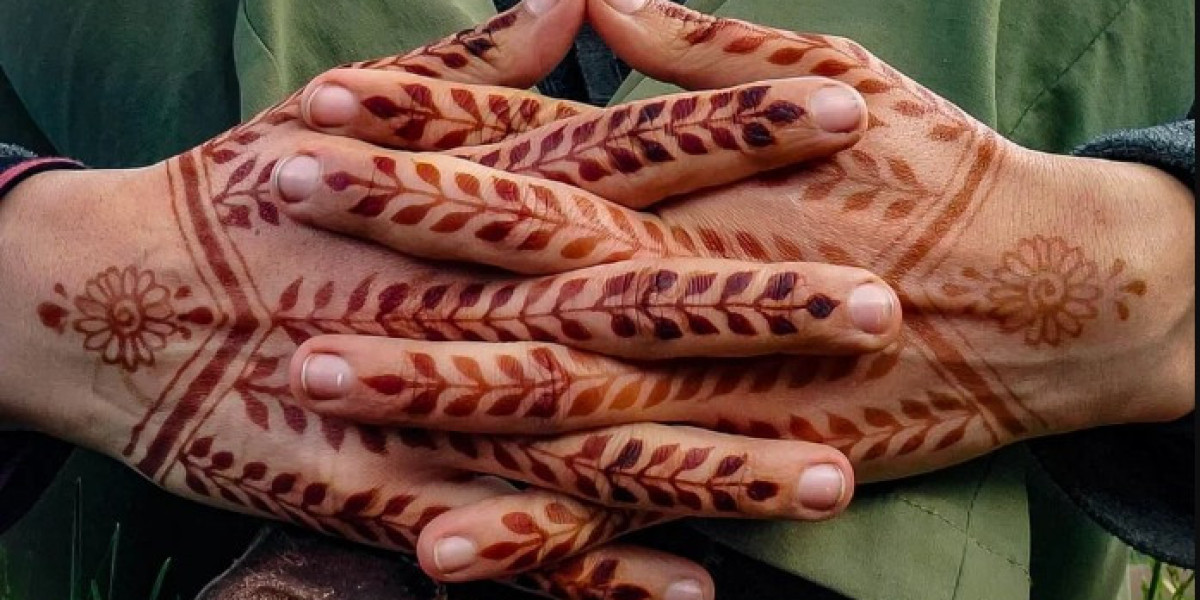
Natural henna is a miracle of plant chemistry. It is derived from the leaves of the henna shrub, which are dried, ground into a fine powder, and mixed with a mildly acidic liquid to release the "lawsone" dye molecule. When this paste is applied to the skin, the dye migrates into the top layers of the epidermis and binds with the keratin. The result is a stain that starts as a bright orange and matures over two days into a deep, rich mahogany. This is a living process; the final color depends on the individual's body chemistry, the quality of the crop, and the environmental temperature during the "dye release" phase.
Demystifying "White Henna" and Its Synthetic Origins
The term "White Henna" is actually a marketing misnomer. There is no such thing as a white henna plant; rather, this product is usually a combination of medical-grade prosthetic adhesive (similar to what is used in Hollywood special effects) and cosmetic-grade white body paint. Unlike natural henna, which stains the skin, white henna sits entirely on the surface. It acts as a flexible, waterproof film that can be applied in thin, intricate lines to resemble lace. Because it is an adhesive, it can also be used as a base for applying glitter or gold leaf, allowing for a "3D" effect that natural dyes cannot replicate.
The application of white henna requires a different set of skills compared to traditional methods. Since it does not stain, there is no room for error—once it touches the skin, it is there until it is washed or peeled off. Artists who have taken a henna course often find that while the cone-control techniques are similar, the "flow" of the adhesive is much faster and stickier than the smooth, mud-like texture of natural henna. It is a favorite for Western-style weddings where a bride wants a pure white design to match her gown for a single day, as it provides immediate visual impact without a multi-week stain.
Longevity, Durability, and Environmental Factors
One of the most significant differences between these two mediums is how they react to the world around them. Natural henna thrives on warmth and moisture during the application phase. The longer you keep the paste on and the warmer your skin is, the darker the stain will be. Once the stain has set, it is virtually indestructible; you can swim, shower, and exercise without fear of it rubbing off. It only disappears when your skin naturally regenerates and sheds its outer layer. This makes it the ideal choice for long vacations or traditional week-long wedding celebrations.
White henna, conversely, is quite fragile. While it is generally waterproof, it is very sensitive to oils and friction. A hot shower or the application of lotion will cause the adhesive to break down and peel away like a sticker. Usually, a white henna design will last between one and four days depending on the placement. In a Henna Course Online, artists are taught to manage client expectations regarding this durability. If a client wants a design for a beach trip, the natural stain is superior. If they want a high-contrast look for a three-hour gala, white henna is the winner.
Safety Standards and Ingredient Transparency
Safety is the most critical area where these two products diverge. Natural henna is generally safe for everyone except those with G6PD deficiency, provided the paste is "BAQ" (Body Art Quality) and free from chemical additives. However, the market is unfortunately flooded with "Black Henna," which contains PPD (a hair dye chemical) that can cause permanent scarring. This is why professional training is so vital. Learning the history and science through a henna course empowers an artist to mix their own safe, organic paste from scratch, ensuring the health of their clients.
White henna also carries its own safety considerations. Because it is a synthetic adhesive, it should always be tested on a small patch of skin to rule out acrylic allergies. Many cheap "white henna" cones sold online are actually just acrylic house paint or skin-irritating glues, which are not intended for body use. A certified artist knows to look for skin-safe, cosmetic-grade ingredients. By maintaining high standards for both natural and synthetic products, you protect the reputation of the craft and the well-being of the people who wear your art.
Choosing the Right Medium for the Moment
Ultimately, the choice between natural henna and white henna comes down to the "why" behind the art. If the goal is to honor tradition, enjoy a long-lasting mahogany stain, and use a 100% botanical product, natural henna is the only option. It offers a sensory experience—the smell of essential oils and the ritual of the "stain reveal"—that synthetic products cannot touch. It is an ancient art form that rewards patience and honors the natural cycles of the body.