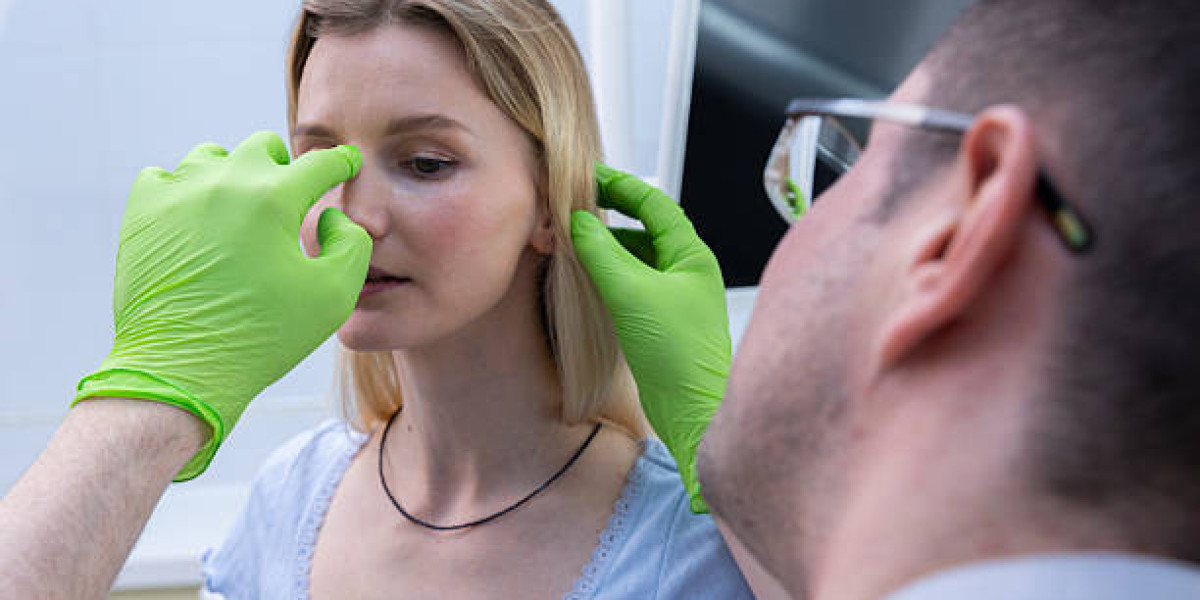

Many patients considering rhinoplasty wonder whether changes to the nose can affect taste and smell. While rhinoplasty primarily focuses on nasal structure and aesthetics, minor alterations in airflow or nasal passages can sometimes influence sensory perception. Those seeking Rhinoplasty in Riyadh (عملية تجميل الأنف في الرياض) benefit from understanding the potential connections between nasal surgery and taste experiences.
Clinics offering Rhinoplasty in Riyadh take both functional and aesthetic outcomes into account, ensuring that breathing, olfaction, and overall facial balance are carefully preserved.
How Nasal Surgery Can Affect Taste
Taste perception is closely linked to the sense of smell. If nasal airflow or olfactory function is temporarily altered after rhinoplasty, some patients may notice subtle changes in how foods and aromas are perceived.
Olfactory Connection
The olfactory nerves in the nasal cavity detect scents, which contribute significantly to flavor perception. Changes in airflow, swelling, or congestion may temporarily affect smell, indirectly influencing taste.
Post-Surgical Swelling
Swelling in the nasal tissues can slightly obstruct airflow and odor detection. This may make flavors seem muted in the first few days after surgery.
Temporary vs. Permanent Changes
In most cases, any shifts in taste or smell are temporary. As swelling reduces and nasal structures heal, normal sensory perception usually returns.
How Rhinoplasty Preserves Taste and Smell
Experienced surgeons carefully plan Rhinoplasty in Riyadh to maintain airway function and olfactory nerve integrity. Techniques include:
Minimizing trauma to the nasal mucosa
Preserving critical olfactory regions
Ensuring proper post-operative care to reduce congestion
Recovery Considerations
Patients may notice mild differences in taste for a short period during recovery. Following post-operative instructions, including proper nasal care, hydration, and avoiding irritants, supports quicker normalization of taste perception.
Complementary Practices
Supporting sensory recovery can help patients regain normal taste perception:
Gentle nasal irrigation to clear swelling and mucus
Balanced hydration and nutrition
Avoiding smoking or exposure to irritants
Choosing the Right Clinic in Riyadh
A clinic experienced in both cosmetic and functional rhinoplasty ensures that the procedure does not negatively affect taste or smell. Clinics providing Rhinoplasty in Riyadh emphasize pre-operative assessment, precise surgical technique, and attentive post-operative monitoring to protect sensory function.
Booking Your Consultation
If you want a rhinoplasty that enhances your appearance while preserving nasal function and sensory perception, professional guidance is essential. Royal Clinic Saudia ( عيادات رويال كلينك ) offers advanced rhinoplasty procedures, personalized surgical planning, and comprehensive post-operative care to ensure optimal results and sensory safety. Book your consultation today to start your journey toward a refined and harmonious nose.
FAQs:
Can rhinoplasty affect taste?
Yes, minor and temporary changes can occur due to altered airflow or swelling, but permanent taste loss is rare.
How is smell linked to taste after surgery?
Olfactory nerves detect scents, which are crucial for flavor perception; temporary nasal obstruction can affect this.
How long do taste changes last?
Usually, taste perception returns to normal as swelling decreases within a few days to weeks.
Can surgeons prevent taste changes?
Yes, careful surgical planning and protecting nasal structures help preserve both taste and smell.