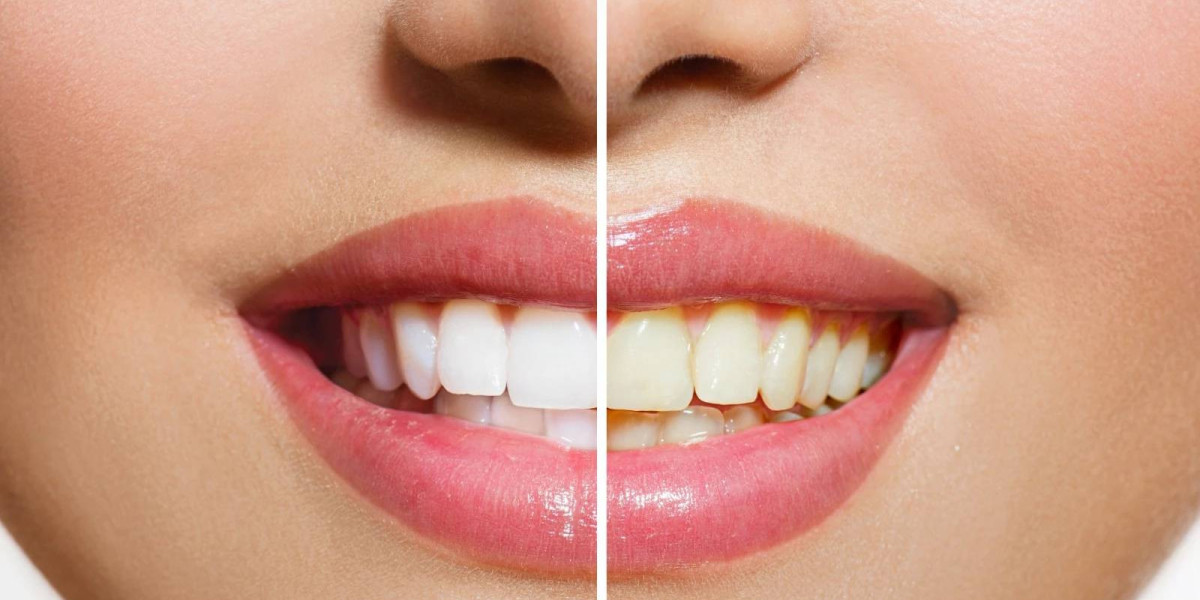

Dark spots and uneven skin tone are common skin concerns, affecting people of all ages. Factors like sun exposure, hormonal changes, acne scars, and aging can lead to pigmentation issues. Many seek solutions to achieve a smooth, radiant complexion. Understanding the causes and treatments available is the first step toward healthier skin. Natural remedies and professional procedures can both play a role in achieving even-toned skin.
What Causes Dark Spots and Uneven Skin Tone
Several factors contribute to dark spots, also known as hyperpigmentation. Sun exposure increases melanin production, leading to spots. Hormonal changes during pregnancy or from medications can trigger melasma. Acne scars often leave marks that darken over time. Aging naturally reduces skin cell turnover, causing dull patches. Lifestyle factors, such as smoking or poor diet, also affect skin clarity.
Natural Ways to Reduce Dark Spots
Using natural ingredients can improve skin tone gradually. Aloe vera contains aloin, which helps lighten pigmentation. Lemon juice has vitamin C, promoting collagen and fading spots. Turmeric has curcumin, an antioxidant that reduces melanin production. Green tea extracts calm inflammation and protect against sun damage. Applying these remedies consistently may improve skin appearance.
Daily Skincare Habits for Even Skin
Maintaining a proper skincare routine prevents new pigmentation. Use a broad-spectrum sunscreen daily to protect skin from harmful UV rays. Cleanse your skin gently twice a day to remove impurities. Exfoliate once or twice a week to promote cell turnover. Moisturize regularly to maintain hydration and support skin repair. Avoid harsh chemicals that can worsen pigmentation.
Professional Skin Pigmentation Treatment Options
For persistent dark spots, professional treatments are often more effective. Dermatologists offer procedures to target deep pigmentation and restore an even complexion. Common skin pigmentation treatment options include:
Chemical peels that remove damaged top layers of skin.
Laser therapy to break down melanin in targeted areas.
Microdermabrasion for exfoliation and improved texture.
Prescription creams containing hydroquinone or retinoids.
These treatments provide faster and more visible results compared to home remedies. A consultation with a specialist ensures a treatment plan suited to your skin type.
Diet and Lifestyle Tips for Healthier Skin
Nutrition plays a significant role in skin health. Include foods rich in antioxidants, such as berries, nuts, and leafy greens, to combat free radicals. Stay hydrated to keep your skin supple and glowing. Reduce sugar and processed foods that can trigger inflammation. Avoid smoking and limit alcohol consumption to prevent skin damage. Adequate sleep also supports natural skin regeneration and prevents dullness.
Using Natural Ingredients Safely
While natural remedies are helpful, they must be used carefully. Always patch-test ingredients like lemon or turmeric to avoid irritation. Combine natural treatments with sunscreen to prevent worsening pigmentation. Consistency is key, as natural remedies take time to show results. Avoid overuse of harsh ingredients, which can damage the skin barrier.
Common Myths About Dark Spots
Many misconceptions exist regarding dark spots and uneven skin tone. One myth is that tanning hides pigmentation, but it often worsens the problem. Another is that only expensive products work, while simple natural remedies can be effective. Avoid over-exfoliating, which can make pigmentation darker. Understanding facts helps in choosing the right skin pigmentation treatment for long-term results.
Benefits of Professional Skin Pigmentation Treatment
Professional treatments offer numerous advantages. They are customized to your skin type, reducing the risk of adverse reactions. Treatments provide faster results compared to home remedies. Advanced techniques can treat stubborn pigmentation that does not respond to natural methods. Combining treatments with daily skincare ensures long-lasting, even-toned skin.
FAQs About Dark Spots and Uneven Skin Tone
Q: Can dark spots fade naturally?
A: Yes, mild pigmentation can fade with consistent use of natural remedies, proper skincare, and sun protection.
Q: How long does a professional skin pigmentation treatment take?
A: The duration varies depending on the method, but most treatments require 4–6 sessions spaced weeks apart.
Q: Are there side effects of professional treatments?
A: Some procedures may cause temporary redness or sensitivity, but a dermatologist guides you to minimize risks.
Q: Can diet affect skin pigmentation?
A: Yes, a diet rich in antioxidants, vitamins, and hydration supports skin health and can reduce pigmentation over time.
Q: Is sunscreen necessary if I have dark spots?
A: Absolutely. Sunscreen prevents further darkening and protects the skin from harmful UV damage.
Conclusion
Dark spots and uneven skin tone can affect confidence, but effective solutions are available. Consistent skincare, natural remedies, and professional skin pigmentation treatment can help achieve a smoother, even complexion. For the best results, consult with specialists to determine the right approach for your skin type. If you are looking for expert guidance and safe, effective treatments, visit skn cosmetics for professional services that restore your skin’s natural glow.