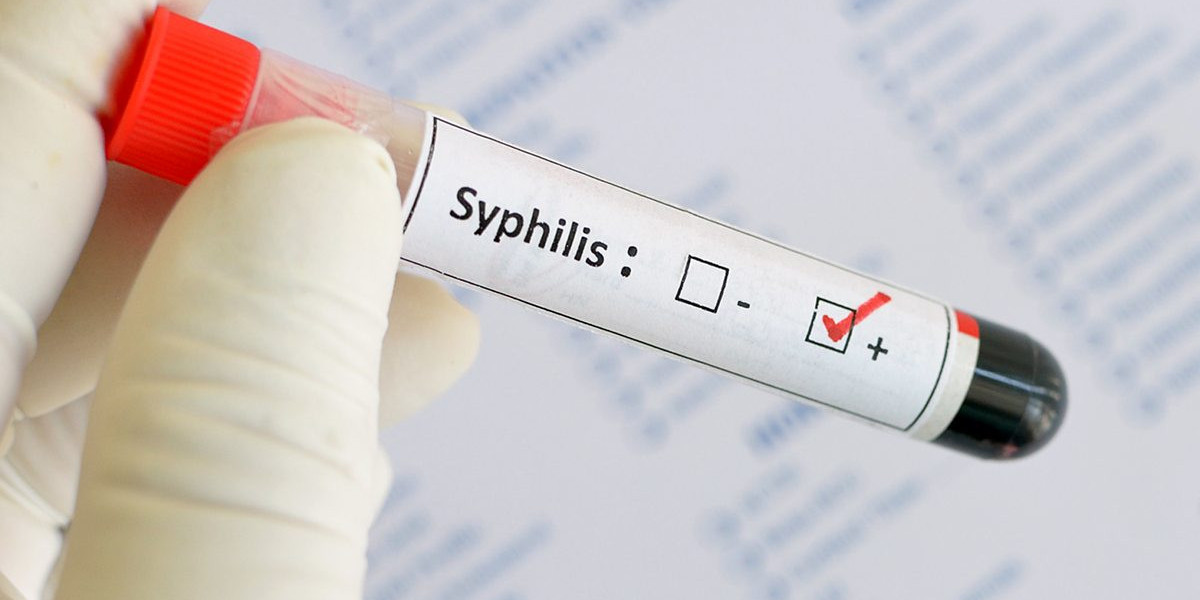

Routine health screenings are vital for maintaining long-term wellness, and syphilis testing plays a crucial role in preventing serious complications from undetected infection. Caused by Treponema pallidum, syphilis can progress silently through multiple stages, often without visible symptoms. Scheduling regular screenings ensures early detection, effective treatment, and reduces the risk of long-term health consequences. Understanding when and how frequently to test empowers individuals to take control of their health.
Why Regular Screening Is Important?
Syphilis Screening in Dubai can remain asymptomatic for months or even years, entering a latent stage where the bacterium continues to affect the body without noticeable signs. Untreated infection may eventually lead to neurological damage, cardiovascular complications, or organ dysfunction. Routine screening is the most reliable way to detect infection early, prevent serious outcomes, and monitor response after treatment.
Early detection also supports public health by identifying hidden infections and reducing the risk of undiagnosed cases in the community.
Factors That Determine Screening Frequency:
The optimal timing for syphilis screening depends on individual risk factors, medical history, and life circumstances. Healthcare providers consider these elements when recommending testing schedules.
Moderate Risk Adults: For most adults with low to moderate exposure risk, annual screening is sufficient. This ensures timely identification of infection before it progresses.
Higher-Risk Individuals: People with multiple recent partners, prior infections, or immune system concerns may benefit from testing every three to six months. Frequent screenings provide early intervention opportunities and reduce the likelihood of advanced complications.
Pregnant Individuals: Screening is essential during the first prenatal visit. Additional testing may be recommended later in pregnancy if risk factors are present, protecting both the individual and the developing child from complications.
Timing After Possible Exposure:
Testing immediately after potential exposure may not always yield accurate results due to the antibody window period. The body needs time to produce detectable antibodies, and testing too soon can result in false-negative results. Healthcare providers often recommend repeating tests a few weeks after exposure to ensure reliable detection.
Being aware of this window period helps individuals plan screenings effectively and ensures accurate results.
Modern Screening Methods:
Advances in diagnostic technology have made syphilis screening faster, more accurate, and widely accessible. Key testing methods include:
Nontreponemal Tests: Rapid Plasma Reagin (RPR) and Venereal Disease Research Laboratory (VDRL) tests detect general antibodies produced in response to infection and are commonly used for initial screening.
Treponemal Tests: These confirm infection by identifying antibodies specific to Treponema pallidum, ensuring high diagnostic accuracy.
Rapid Point-of-Care Tests: Some clinics provide preliminary results within minutes, allowing immediate guidance for treatment and follow-up.
Screening is minimally invasive, safe, and effective for individuals even when no symptoms are present.
Benefits of Consistent Testing:
Scheduling syphilis screenings regularly provides numerous advantages:
Early Detection: Identifies infections before symptoms appear, allowing timely intervention.
Better Treatment Outcomes: Early-stage infections respond more effectively to antibiotics, minimizing long-term health risks.
Prevention of Complications: Routine testing reduces the likelihood of neurological, cardiovascular, or systemic issues.
Community Health Support: Early detection contributes to public health efforts by limiting the spread of undiagnosed infections.
Consistent testing fosters a proactive approach to health management and ensures long-term wellness.
Overcoming Barriers to Regular Screening:
Some individuals avoid testing due to fear, misconceptions, or privacy concerns. Modern healthcare systems prioritize confidentiality, and at-home testing kits provide discreet options. Education about the benefits of routine testing and reassurance regarding privacy can encourage proactive participation in screening programs.
Healthcare providers also guide patients through the process, explain results, and recommend follow-up care to ensure effective treatment and monitoring.
Integrating Screening Into Preventive Care:
Syphilis screening should be an integral part of preventive healthcare. Annual wellness visits or periodic check-ups are ideal opportunities to test for infection, especially for those at higher risk. Combining testing with overall health monitoring, immune support, and lifestyle management creates a robust strategy for lifelong wellness.
Conclusion:
The frequency of Syphilis Screening should be based on individual risk, exposure history, and preventive care needs. Annual testing is appropriate for most adults, while higher-risk individuals may require testing every three to six months. Pregnant individuals and those with recent exposure may need timely or repeated screenings to ensure accurate detection.
Regularly scheduled testing enables early detection, improves treatment outcomes, prevents long-term complications, and supports community health. Prioritizing routine screening is a proactive step in maintaining lifelong wellness and taking control of personal health.