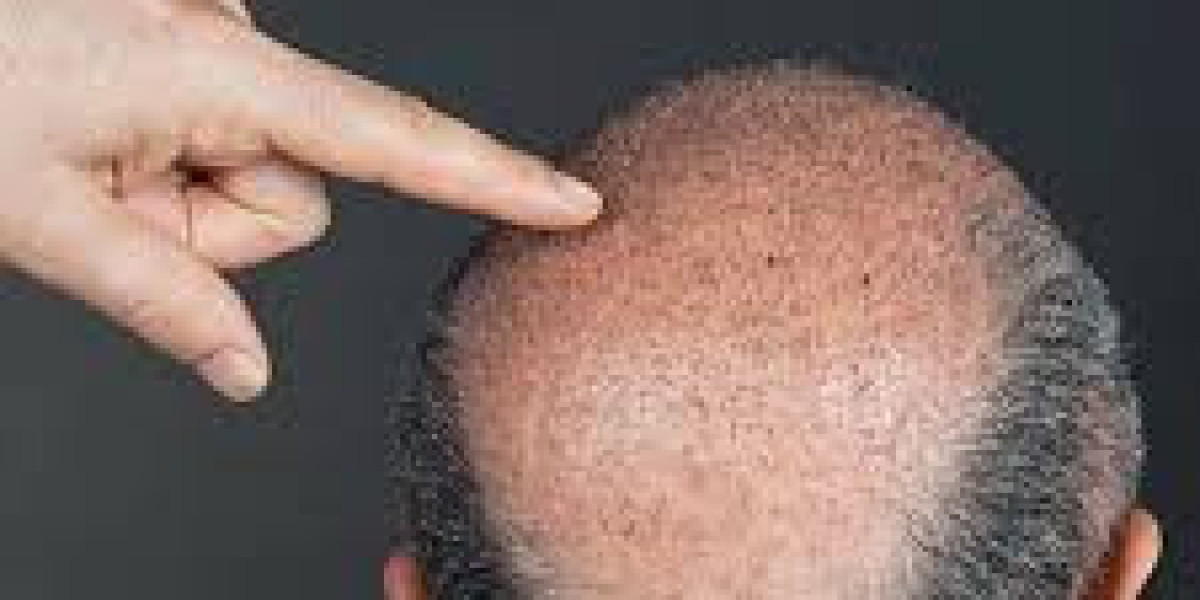

Male pattern baldness is a common concern that affects millions of men worldwide. In Dubai, advancements in hair restoration techniques have made hair transplant surgery an effective and safe solution for those struggling with thinning hair or receding hairlines. This blog will guide you through the essentials of Hair Transplant in Dubai surgery, what to expect before and after the procedure, and how to achieve natural-looking results.
Understanding Male Pattern Baldness
Male pattern baldness, also known as androgenetic alopecia, is a hereditary condition that typically starts with a receding hairline or thinning at the crown. Hormonal changes, particularly the sensitivity of hair follicles to dihydrotestosterone (DHT), play a major role in hair loss. While medications like minoxidil and finasteride can slow down hair loss, hair transplant surgery offers a permanent solution for restoring hair density.
What Is Hair Transplant Surgery?
Hair transplant surgery involves moving healthy hair follicles from areas resistant to hair loss, usually the back or sides of the scalp, to areas affected by balding. Two of the most popular techniques are:
Follicular Unit Transplantation (FUT)
FUT, also known as the strip method, involves removing a thin strip of scalp from the donor area. The strip is then dissected into individual follicular units and transplanted to the thinning areas. FUT is suitable for patients requiring a large number of grafts and can provide dense results.
Follicular Unit Extraction (FUE)
FUE is a minimally invasive technique where individual hair follicles are extracted from the donor area and transplanted to the balding region. FUE leaves minimal scarring and has a faster recovery time compared to FUT. This technique is highly favored by patients looking for a less invasive option with natural results.
Preparing for Hair Transplant Surgery
Proper preparation is essential to ensure a successful hair transplant. Key steps include:
Consultation: A detailed assessment of hair loss patterns and donor hair quality.
Medical Evaluation: Blood tests and scalp analysis to rule out any underlying conditions.
Pre-Procedure Guidelines: Avoiding certain medications, alcohol, and smoking to ensure optimal healing.
What to Expect During the Procedure
Hair transplant surgery is usually performed under local anesthesia. Depending on the technique, the procedure can take anywhere from 4 to 8 hours. During the surgery, the surgeon meticulously implants each hair follicle to mimic natural hair growth patterns. Patients can often return home the same day.
Recovery and Aftercare
Post-operative care is critical for optimal results. Patients should follow these guidelines:
Avoid Touching or Scratching: Protect the transplanted area to prevent dislodging grafts.
Medications: Pain relievers and antibiotics may be prescribed to reduce discomfort and prevent infection.
Gentle Washing: Follow the surgeon’s instructions for washing hair during the first few weeks.
Avoid Strenuous Activities: Physical exertion can affect graft survival.
Hair growth typically starts after 3-4 months, with noticeable results around 6-9 months post-surgery. Full results can be seen after 12-18 months.
Benefits of Hair Transplant Surgery
Permanent solution for hair loss
Natural-looking results
Low maintenance after full recovery
Boost in self-confidence and appearance
Frequently Asked Questions (FAQs)
Q1: Is hair transplant surgery painful?
A: Local anesthesia ensures minimal discomfort during the procedure. Some mild soreness may occur afterward, which is manageable with medication.
Q2: How long does it take to see results?
A: Initial hair growth begins around 3-4 months, with full results visible after 12-18 months.
Q3: Are the results permanent?
A: Yes, transplanted hair is resistant to DHT and generally lasts a lifetime.
Q4: Can I undergo hair transplant if I have diffuse thinning?
A: Yes, but a thorough assessment is required to determine donor hair availability and suitable technique.
Q5: Are there any risks?
A: Hair transplant is generally safe, but minor risks include infection, temporary swelling, or scarring depending on the technique used.
Choosing the Right Hair Transplant Option in Dubai
Dubai offers a range of clinics specializing in advanced hair restoration techniques. Choosing a clinic with experienced specialists, positive patient reviews, and a proven track record is essential for achieving natural and lasting results.