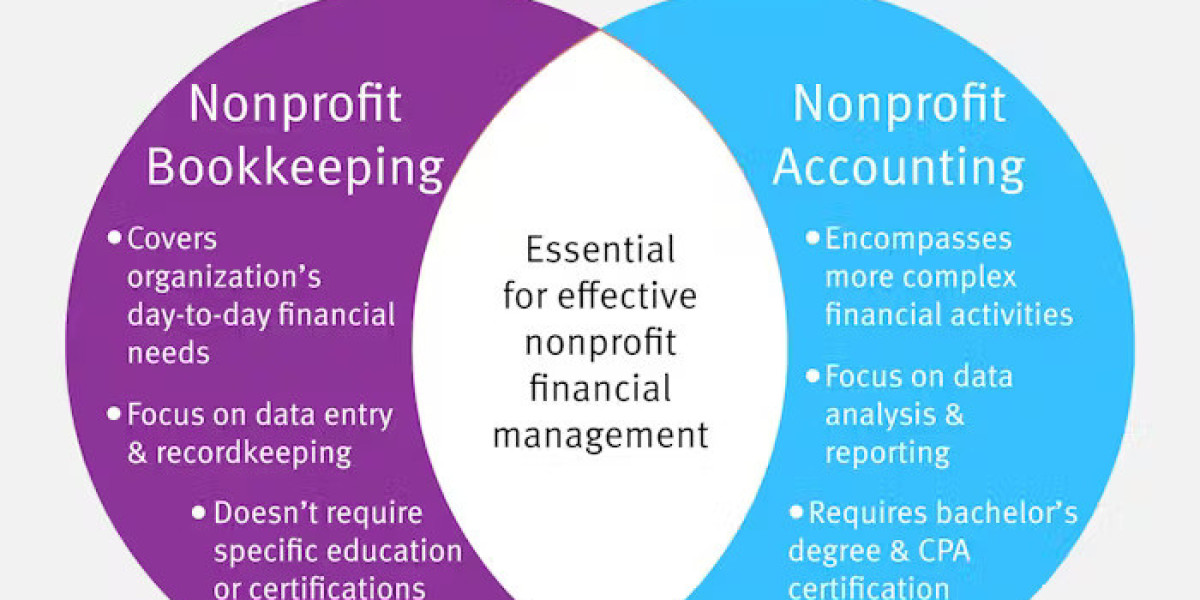

Running a nonprofit organization involves more than fulfilling a mission—it requires managing finances accurately, maintaining compliance, and providing transparency to donors, boards, and regulatory authorities. For many nonprofits, especially small to mid-sized organizations, handling these financial responsibilities internally can be time-consuming and prone to errors. This is where outsourced bookkeeping for nonprofits becomes invaluable. By delegating bookkeeping tasks to professional experts, nonprofits can focus on their mission while ensuring financial accuracy and compliance.
What Is Outsourced Bookkeeping for Nonprofits?
Outsourced bookkeeping for nonprofits involves hiring external professionals or specialized firms to handle the organization’s financial operations. These experts manage day-to-day bookkeeping tasks, ensure compliance with accounting standards, and provide timely financial reporting. By outsourcing, nonprofits gain access to specialized knowledge, reduce administrative burdens, and can focus on program delivery, fundraising, and community impact.
Outsourced bookkeeping is not limited to recording transactions; it includes a wide range of services that ensure the organization’s finances are accurate, transparent, and compliant.
1. Daily Bookkeeping and Transaction Management
The most fundamental service to outsource is daily bookkeeping. This includes:
Recording donations, grants, and other revenue
Tracking expenses and program-related costs
Managing recurring transactions and journal entries
Outsourced bookkeeping experts ensure that every transaction is accurately recorded in compliance with nonprofit accounting standards, such as US GAAP for nonprofits. This prevents discrepancies and allows organizations to maintain a reliable financial record.
Accurate daily bookkeeping is essential for monitoring cash flow, preparing financial statements, and ensuring funds are properly allocated to programs.
2. Accounts Payable and Accounts Receivable
Managing accounts payable (AP) and accounts receivable (AR) is time-consuming but critical for nonprofits. Outsourced bookkeeping services can handle:
Processing invoices and payments to vendors
Tracking incoming donations, grants, and pledges
Reconciling AR and AP with bank statements
By outsourcing AP and AR, nonprofits reduce the risk of late payments, missed donations, or mismanaged funds. This service ensures financial obligations are met and revenue is properly tracked, contributing to overall transparency and accountability.
3. Payroll Management
Payroll processing is another critical area nonprofits can outsource. Payroll management involves:
Calculating employee salaries and benefits
Ensuring compliance with federal and state payroll laws
Managing tax withholdings and reporting
Outsourced bookkeeping experts can handle these tasks efficiently and accurately, freeing internal staff from administrative burdens. Proper payroll management ensures compliance, reduces errors, and prevents costly penalties.
4. Bank and Credit Card Reconciliation
Bank and credit card reconciliations are essential for accurate cash flow management. Bookkeeping experts can regularly reconcile accounts to ensure:
Transactions match bank statements
No unauthorized or missing transactions exist
Financial records reflect the true cash position
Regular reconciliations help nonprofits detect discrepancies early, reduce fraud risk, and provide accurate financial statements for decision-making.
5. Grant Tracking and Restricted Fund Management
Nonprofits often receive grants and donations tied to specific programs or purposes. Proper tracking of restricted funds is critical to maintain donor trust and compliance. Outsourced bookkeeping experts can:
Track grants and restricted contributions separately
Allocate funds to the correct programs
Generate detailed reports for donors and grant agencies
By managing restricted funds accurately, nonprofits demonstrate accountability and transparency, which are essential for donor retention and future funding opportunities.
6. Financial Reporting and Statements
Outsourced bookkeeping experts provide timely and accurate financial reporting, including:
Monthly, quarterly, and annual financial statements
Income statements and balance sheets
Cash flow statements and budget reports
These reports are critical for boards, stakeholders, and regulatory authorities. Having professional bookkeeping ensures that reports are accurate, consistent, and compliant with nonprofit accounting standards. Reliable financial reporting also helps nonprofit leaders make informed decisions about budgeting, program funding, and growth strategies.
7. Audit Preparation and Support
Nonprofits are often subject to audits by donors, grant agencies, or regulatory authorities. Outsourced bookkeeping services can help prepare for audits by:
Organizing financial records and documentation
Ensuring compliance with accounting standards
Addressing discrepancies before auditors review
Having bookkeeping experts manage audit preparation reduces stress, saves time, and ensures that audits run smoothly. Proper audit support also strengthens credibility with donors and stakeholders.
8. Budgeting and Forecasting
Budgeting and financial forecasting are critical for strategic planning. Outsourced bookkeeping experts can assist nonprofits with:
Creating program-specific and overall organizational budgets
Forecasting cash flow and revenue
Monitoring budget variances and financial performance
Professional bookkeeping ensures that budgets are realistic, tracked accurately, and aligned with the organization’s mission. This service helps nonprofits plan effectively for growth, fundraising, and operational needs.
9. Compliance and Regulatory Reporting
Nonprofits must comply with federal and state regulations, including IRS reporting requirements (Form 990 in the U.S.) and grant-specific reporting. Outsourced bookkeeping services help organizations:
Maintain proper records for compliance
Prepare accurate tax filings and financial disclosures
Stay updated with changing regulations
By outsourcing compliance-related bookkeeping tasks, nonprofits reduce the risk of penalties, audits, and reputational damage while maintaining full transparency for donors and stakeholders.
10. Customized Reporting for Donors and Stakeholders
Outsourced bookkeeping experts can provide customized reports for donors, boards, and other stakeholders, including:
Fund utilization reports
Program impact reports
Donation summaries
These detailed reports enhance transparency and accountability, helping nonprofits demonstrate how funds are used to achieve their mission. Clear reporting strengthens relationships with donors and builds long-term trust.
Conclusion
Outsourced bookkeeping for nonprofits is more than a cost-saving measure—it is a strategic solution for transparency, efficiency, and compliance. Nonprofits can outsource a wide range of services, including daily bookkeeping, accounts payable and receivable, payroll, bank reconciliations, grant tracking, financial reporting, budgeting, audit support, and donor reporting.
By outsourcing these tasks to professional bookkeeping experts, nonprofits reduce administrative burdens, improve accuracy, maintain compliance, and provide transparency to donors and stakeholders. This allows nonprofit leaders to focus on their mission, make informed decisions, and strengthen the organization’s credibility.
Investing in outsourced bookkeeping ensures that nonprofits operate efficiently, remain accountable, and continue to make a meaningful impact in the communities they serve.